A summer adventure that will take you to a gorgeous destination while feeding your creative spirit, your palate, and your senses?Think it’s just a dream? Think again. Dozens of writers and readers over the years have traveled to a writer’s paradise with the ABROAD EXPERIENCE.
Destinations. Meet in a 5 Star Luxury Retreat, Biological Adventures, Medieval Castles, Bloomsbury Hotel in London or on an Intimate Cruise Ship sailing the seas of the Ancient World. These experiences are life-changing, sparking creativity, creating lasting memories, deep connections, even strong friendships, for a discerning traveler.
JoinAbroad Writers’ Conference Masterclass for 9 DaysLand of Ancient Temples and Sacred Traditions
May 22 – 30, 2027
We reserved the entire Berlima Boutique Resort for our event
Berlima Boutique Resort
Some places don’t just inspire writing — they insist on it. Ubud is one of them. Here, where terraced rice fields catch the morning light like green water, where temple bells drift through jungle air thick with incense, and rivers carve their slow path beneath ancient stone, the line between the world and the page begins to blur. This is not a place you visit so much as a place that rearranges something in you.
It is here, in this small luminous corner of Bali, at Berlima Resort where we will be staying for 8 days. We have closed the gates to the public and reserved the entire resort for ourselves, turning this lush oasis into our personal creative living room. We invite you to gather with us—to write, to dream, and to sit at the feet of some of the most celebrated literary voices working today.
Beyond the workshops and readings, you’ll be immersed in the living art of Bali itself — the hypnotic grace of traditional Balinese dance, the flickering ancient storytelling of shadow puppet theater, and the rich, fragrant flavors of Balinese cuisine. These are not mere interludes to the conference; they are part of its lesson. Bali has always understood that story lives in movement, in shadow, in the shared act of a meal — and for 8 days, it lives in us.
Yellow flowers honor the Hindu god Mahadeva and pray for prosperity
This daily devotion is woven into the very fabric of Ubud—a town whose name literally translates to medicineor healing. For centuries, this misty jungle valley has served as Bali’s spiritual and creative epicenter, attracting artists, thinkers, and seekers from across the globe.
In Ubud, art is not something confined to a museum grid; it is a living, breathing landscape. It is found in the rhythmic strike of a woodcarver’s chisel, the scent of fresh frangipani on a cobblestone path, and the quiet contemplation of a mountain morning. To write here is to step into a timeless lineage of storytelling. It is an invitation to let the medicine of this place slow your heartbeat and open your senses to the blank page.
It is within this deeply inspired landscape that our faculty will guide you.
AUTHORS JOINING US
Robert Olen Butler
Winner of the Pulitzer Prize for Fiction, Distinguished Professor at Florida State University, holding the Michael Shaar Chair in Creative Writing
Robert Olen Butler is the author of eighteen novels and six collections of short stories, including A Good Scent from a Strange Mountain, which won the 1993 Pulitzer Prize for Fiction. A Vietnam War veteran and fluent Vietnamese speaker, he has spent his career writing across cultures, memory, and the quiet aftershocks of history on ordinary lives. He has received a Guggenheim Fellowship, a National Endowment for the Arts grant, and the F. Scott Fitzgerald Award for Outstanding Achievement in American Literature.
A writer whose work has long explored the hidden chambers of memory, longing, and the human heart across war and peace, distance and return.
~
Julie Kane
Professor Emerita at Northwestern State University.
Julie Kane is a formalist with a deep love of meter, rhyme, and the long tradition of poetic craft, she has also written extensively on women’s poetry and the recovery of overlooked poetic voices. Her own work moves fluidly between strict form and free verse, often returning to themes of memory, womanhood, and her Louisiana roots. As Professor Emerita at Northwestern State University, she spent decades helping younger poets find precision and music in their own lines — and she brings that same generous, exacting ear to every workshop she leads.
Julie Kane is the author of six books of poetry, including Rhythm & Booze (winner of the National Poetry Series), Jazz Funeral (winner of the Donald Justice Poetry Prize), Mothers of Ireland (winner of the Poetry by the Sea Book Prize), and her newest collection, Naked Ladies: New and Selected Poems (2025). She also co-authored a Vietnam War memoir and has translated poetry from French and Lithuanian. She is a Fulbright Scholar.
She brings the music of decades spent listening closely to language, helping writers cover the poetry that already lives inside them.
~
Josip Novakovich
Croatian author, Finalist for the Man Booker International Prize, Professor at Concordia University, Canada
Born in Croatia and now writing in English, Josip Novakovich has published a dozen books, including the novels April Fool’s Day and Rubble of Rubles, five story collections, and three collections of narrative essays exploring exile, war, and homeland. His work has been translated into more than a dozen languages, including Russian, Japanese, Italian, and French.
Josip has built a body of work — novels, story collections, and essays — shaped by displacement, war, and the absurdities of living between two worlds at once. His fiction was a finalist for the Man Booker International Prize, recognizing a career that moves between sharp, dark humor and the quiet devastations of exile. Novakovich teaches creative writing at Concordia University in Montreal, where he continues to mentor writers navigating questions of identity, homeland, and the strange freedom of writing in a borrowed tongue.
He carries with him the soul of a wanderer — a writer for whom exile became enchantment, and distance became the very material of story.
Screenshot
WORKSHOP DESCRIPTION
Robert Olen Butler
After Craft and Technique: The Process of Writing Fiction
This workshop will focus on the fundamentals of the creative process for fiction writers who aspire to create enduring literature. It will examine what is distinctive about the way the serious writer addresses the world, the inner self, and the objects to be created. But in thus understanding what makes a work of fiction “literary” at its core, we can also embrace not only work generically identifiable as “literary” but as “entertainment,” as well. Thrillers, mysteries, romances, works of speculative fiction–such as fantasy and science fiction–can also all be fully “literary.” The workshop will be for any fiction writer who wants to dig deep.
Julie Kane
Putting Together Your Poetry Book or Chapbook
You have been writing poems for a while now, and you finally feel ready to put together a chapbook (20 – 20 pages) or book (48 – 70 pages). This workshop is for you! Together we will identify your themes, tones, recurring images, the perfect opening poem, the perfect closing poem, weak poems to be revised or removed, new poems to be written to round out gaps, ordering and sequencing strategies, and sectioning strategies. The goal is an emerge from the workshop with a publishable poetry collection. We will also explore poetry book and chapbook publishers and publications contests with an eye toward identifying the best fits for your collection.
Josip Novakovich
We will write and critique narratives in different forms: short stories, novel chapters, personal essays, memoir chapters, travelogues, character profiles, etc. We’ll emphasize the story, whether true or fabricated or a combination of the two as in autofiction. You can bring along some finished manuscripts and we’ll write something new, from writing prompts and ideas. We’ll also read a few exemplary pieces of writing available online. We’ll read the manuscripts presented in the workshop by the participants (up to 25 double-spaced pages) to offer detailed critique and feedback and brainstorming discussions if so desired.
The Art of Movement and Metaphor
In Bali, performance is not entertainment—it is a sacred text written in the tilt of a hand, the flash of an eye, and the rhythmic clash of the gamelan. Following our focused morning workshops, our afternoons and evenings will open up to these living narratives.
We will witness the hypnotic storytelling of traditional dance and shadow theater, studying how epic scale and intimate human emotion are held simultaneously. These cultural encounters are designed to expand your narrative lens, offering new ways to think about tension, character, and drama on your own pages.
Daily Schedule
Workshops are scheduled for the afternoons, so sightseeing can happen during the cooler morning hours. We’ll spend the hot afternoons indoors with air conditioning.
Berlima Resort Afternoon Tea Workshop: 2:00-5:00pm Josip
Free Night
Day 8
Saturday, May 29
Free/shuttle into Ubud
Berlima Resort Afternoon Tea Workshop: 2:00-5:00pm Josip
Reading 5:30 Last Night Event Berlima Rsort 4 course Dinner Shadow Puppet Showand Music
Sunday May 30th,Day 9 Departure
Accommodations
Berlima Boutique Resort
BERLIMA POOLSIDE VILLA
$4,250+ $1,000 for companion
size: 1,000 sf
Private pool, king size bed
Limited rooms
ScreenshotScreenshot
Berlima Poolside Suite
BERLIMA STANDARD SINGLE AND TWIN ROOMS
$2,500 single room with one bed, companion $550
$2,000 Twin room with two beds, $2,000 per person taking workshops
Size 340 sf
King size single bed Twin Bed room
5 STAR Luxury- TeneDewa Resort
located next door, 5 minute walk to Berlima
TaraDewa Courtyard Villa
$4,500 and $1,000 for Companion
Size 650 sf
Pool and Kings Size Bed
Special Buffet Breakfast
Includes a one time 30 minute massage
TanaDewa Courtyard Pool Villa
TanaDewa 1 Bedroom Suite
Garden View
$3,250 for a Single
$2,750 per person for two people taking workshops
Size: 420 sf
Special Buffet Breakfast
Includes a one time 30 minute massage
Screenshot
COST
We are offering you a choice of rooms at Berlima Boutique Resort where our workshops and reading will be taking place and the next door luxury 5 star Hotel TanaDewa Resort.
For Writers — includes: Two Workshops& One on One with each author, 8 Breakfasts, 8 Afternoon Teas, 7 Dinners, Readings
Special evenings. We open on Saturday, May 22, with a five-course welcome dinner at Berlima, accompanied by traditional Balinese music. On Monday, May 24, we gather at the elegant Sungai restaurant, overlooking the Los River, for a special Balinese barbecue with traditional cultural performances, and on Wednesday, May 26, we walk next door to TanaDewa for a buffet dinner with music and dance. On May 29, we’ll have a special five-course farewell dinner at Berlima, accompanied by traditional Balinese music and a Shadow Puppet performance.
daily shuttles into Ubud
AIRFARE IS CURRENTLY ON SALE. CHECK JUSTFLY — Prices I saw on October 8, 2026: SFO & LAX for $760 rt, JFK $1160 rt. If you plan on joining us in Borneo afterwards, take flight to Kuala Lumpor. There’s a cheap flight from Kuala Lumpor to Bali.
Tier
Where you stay
Price
50% deposit
Shared room
Single Room
Room size: 320 sf
Berlima, two writers in one room or Single Room Includes: Breakfast Air Conditioning WIFI
$2,000 each
$2,500
$1,000 each
$1,250
Berlima Poolside Villa Room size: 1,000 sf
Berlima, private room with private garden pool Includes: Breakfast Air Conditioning WIFI
$4,250
$2,125
Single room at TanaDewa (nextdoor) Suite Two Twin Beds Room size: 420 sf Garden View
5 Star TanaDewa Spa Resort is next door Includes: Breakfast Air Conditioning 30 minute Massage WIFI
$3,250* or $2,750 pp (two participating writers)
$1,625
$1,375 each
Single room at TanaDewa (Nextdoor) Courtside Pool Villa Room size: 680 sf Garden View WIFi
5 Start TanaDewa Spa Resort, Suite with private pool Includes Breakfast Air Conditioning 30 minute Massage WIFI
$4,500
$2,250
Companion– Berlima -standard room with participating student
Berlima In Poolside Suite
Berlima
$550
$950
$275
$475
Companion with participating student
TanaDewa Suite
TanaDewa Courtside Pool Villa
$850
$1,000
$425
$500
Literary Vacation (no workshops) Includes: daily reading by authors, 8 Breakfast, 8 lunches, 7 Dinners and Cultural Events – Balinese Dance Performance — Dinner Buffet at TanaDewa 5 Star Resort – Special 5 Course Dinner at Berlima Resort with a Shadow Puppet Performance and Music.
Tier
Where you stay
Price
50% deposit
Literary Vacation
Berlima, single shared room
$2,100 $4,000 for two people sharing a room.
$1,050 $2,000 for two people
Literary Vacation at TanaDewa Suite Garden View Room Size: 420 sf WIFI
5 Star TanaDewa Spa Resort, just next door Include: Breakfast and 1/2 hour daily massage
$3,000 $4,250 for two people sharing a room
$1,500 $2,125 for two people
Literary Vacation at TanaDewa Courtyard Pool Villa Garden View Room Size: 680 sf WIFI
5 Star TanaDewa Spa Resort, Suite with private pool Includes: Breakfast and 1/2 daily massage
$4,000 one person
$5,300 for two people
$2,000 $2,750 for two people
Small Intensive Workshop – Space limitedto 17 participants
Registration, Payment and Cancellation Policy Bali, May 22-30, 2027
Reserving your place. A place is held only when your deposit is received. The deposits due at time of reserving your space. If you can your place it may be offered to someone on our waitlist.
Deposit (50%) at time of booking.
Balance. The remaining 50% is due February 22, 2027. If the balance has not been received by that date, we may release your place, and the deposit is forfeited. You will also be charged a $100 late fee after February 22, 2027.
Tier
Total
50% deposit
Kept after 14 days (20%)
Refunded if cancelled by Feb 22, 2027 Balance is due: After Feb 22, 2027 No Cancelations All Funds are Non Refundable
Writer, single room
$2,500
$1,250
$250
$750
Writer, shared room, Berlima TanaDewa TanaDewa Suite
$4,000 $4,250 $5,300
$2,000 $2,175 $2,650
$400 $425 $530
$1,600 $1,750 $2,120
Literary Vacation Berlima 1 person 2 people TanaDewa 1 2 people TanaDewa Suite
On or before Feb. 22, 2027, your deposit is refunded in full.
After Feb. 22, 2027, the deposit is non-refundable.
Once the balance is paid, the entire amount is non-refundable.
You may transfer your place to another writer approved by us, at no charge, up to 30 days before the event.
If we cancel. The conference requires a minimum enrollment to run. If it is not met, we will cancel the event and refund all payments in full. We will notify you by email. If a faculty member cannot attend because of illness or emergency, we may substitute an author of comparable standing, and this does not entitle you to a refund.
Airfare and travel. Currently tickets are on sale on discount site: JustFly is charging $750 rt from SFO and LAX, $1,100 from JFK. Airfare is not included.
Please do not buy non-refundable airfare until we confirm in writing that the event will run, or choose a refundable fare. We are not responsible for airfare or other travel costs if the event is changed or cancelled.
Travel insurance.We strongly recommend that every traveler buy travel insurance within two weeks of paying the deposit, since many policies require early purchase. Look for trip cancellation, medical and medical evacuation coverage, and consider “Cancel for Any Reason” (CFAR) coverage for the most flexibility.
Acceptance. By paying your deposit, you confirm that you have read and accept these terms.
For more information and to receive an application, contact Nancy Gerbault, AWC Director at email: nancy@abroadwritersconference Phone: 209 256 2567–please leave a message.
Extend your Journey and join us for an special experience: The 12-Day Borneo Wildlife Masterclass
June 1 – 12, 2027
$3,250 pp USD All-Inclusive
For those ready to push their creative boundaries, our journey extends across the Java Sea to the rugged, biodiverse landscapes of Borneo. This intensive, 10-day masterclass is specifically designed to bypass the urban rush, placing you face-to-face with Borneo’s most iconic wildlife,
Sepilok Orangutan Rehabilitation Centre
3 Nights at Ormond Sandakan Hotel
5 Days at Tanini Kinabatangan
4 days in Kuching
June 1 – 7
Our standalone Borneo masterclass begins in the historic coastal sanctuary of Sandakan, the old-world 19th-century capital of British North Borneo. To protect our creative focus and maintain elite comfort, we balance deep wilderness immersion with premium amenities. We anchor our first two nights at the , a premier nature-oasis property nestled on a lush hillside surrounded by protected rainforest gardens. Here, resident monitor lizards, giant squirrels, and exotic birds roam the tree canopies right outside your private balcony.
Four Days at Tanini Kinabatangan on the river. This is one of the richest ecosystems in Southeast Asia. There we’ll see pygmy elephants, orangutans, proboscis monkeys, maroon langurs, eight different species of hornbills .
June 7 – 12, 2027
On June 7, we take a short internal flight across the island to the historic capital of Sarawak, checking into The Ranee Boutique Suites along the vibrant Kuching riverfront. Rebuilt from 19th-century shophouses, this 24-room boutique gem serves as our elegant urban sanctuary for the final 4 nights. Our daily rhythm shifts from raw wilderness tracking into history & evolution. Josip leads the afternoon workshops in the hotel’s private Reading Lounge, Dr. Jerry Drawhorn steps in to anchor the evening lecture series, grounding the writers’ text in the deep scientific and cultural history of the land.
Join Abroad Writers’ Conference for an unforgettable adventure in Borneo for our first 12-day writers’ safari. We’ll be visiting Orangutan sanctuaries, floral gardens, exotic food markets, traditional culture museums, river cruises in the mornings, and workshops and lectures in the afternoon. This is a once-in-a-lifetime adventure you’ll never forget.
Hornbill
Borneo’s rainforests are over 140 million years old — older than the Amazon — and hold one of the richest plant diversities on Earth. Though the island accounts for just 1% of the world’s landmass, it shelters roughly 6% of all global biodiversity. Logging and palm oil plantations have already claimed more than half of the island’s original forest cover, and only an estimated 104,700 orangutans remain in the wild. As habitat loss continues, survival grows harder still — females reproduce only once every six to eight years, among the slowest reproductive rates of any mammal, making population recovery painfully difficult. What’s left is all the more precious — a rare chance to witness something genuinely ancient, still intact, before it’s extinct.
Is a biological anthropology and lecturer on naturalist Alfred Russel Wallace and Ecological Evolution. He is a meticulous field research and ethnographic publications on indigenous cultures.
Josip Novakovich
Croatian author, Finalist for the Man Booker International Prize, Professor at Concordia University, Canada
Born in Croatia and now writing in English, Josip Novakovich has published a dozen books, including the novels April Fool’s Day and Rubble of Rubles, five story collections, and three collections of narrative essays exploring exile, war, and homeland. His work has been translated into more than a dozen languages, including Russian, Japanese, Italian, and French.
Josip has built a body of work — novels, story collections, and essays — shaped by displacement, war, and the absurdities of living between two worlds at once. His fiction was a finalist for the Man Booker International Prize, recognizing a career that moves between sharp, dark humor and the quiet devastations of exile. Novakovich teaches creative writing at Concordia University in Montreal, where he continues to mentor writers navigating questions of identity, homeland, and the strange freedom of writing in a borrowed tongue.
He carries with him the soul of a wanderer — a writer for whom exile became enchantment, and distance became the very material of story.
Workshop Description
We will write and critique narratives in different forms: short stories, novel chapters, personal essays, memoir chapters, travelogues, character profiles, etc. We’ll emphasize the story, whether true or fabricated or a combination of the two as in autofiction. You can bring along some finished manuscripts and we’ll write something new, from writing prompts and ideas. We’ll also read a few exemplary pieces of writing available online. We’ll read the manuscripts presented in the workshop by the participants (up to 25 double-spaced pages) to offer detailed critique and feedback and brainstorming discussions if so desired.
Ormond Sandakan Hotel
We begin our adventure in Sandakan, the gateway to the ancient rain forests of Borneo, anchoring our first two nights at the premium, seaside Ormond Sandakan Hotel. After a special welcoming celebration at the hotel with a special dinner, our next couple of days we will be resting, adjusting to the climate, and holding our opening creative writing workshop with Josip Novakovich.
On the second day, we begin our wildlife journey, just 30-45 minutes away, is the Sepilok Orangutan Rehabilitation Center, where orphaned and rescued orangutans are slowly taught to be wild again. It’s not uncommon to see them wander onto resort boardwalks, hotel balconies, and public footpaths. We will spend the afternoon there.
Next, our private van heads south into the deep interior for a four-night residency at Tanini Kinabatangan. Enjoy morning and sunset boat rides on the Kinabatangan River, one of the richest ecosystems in Southeast Asia. Each morning and at sunset, we’ll drift quietly by motorized boat — no grueling treks required — watching for pygmy elephants, orangutans, proboscis monkeys, maroon langurs, macaques, and eight different species of hornbill, including the rhinoceros hornbill, among banks that have barely changed in centuries.
We will end our journey in Kuching, the capital of Sarawak — a state nearly 22 times the size of Bali, two-thirds of it still cloaked in rainforest. Based at the luxury waterfront boutique gem, The Ranee Boutique Suites, our afternoon writing sessions will transition into their private Reading Lounge alongside physical/cultural anthropology, Professor Jerry Drawhorn. It was here, in the 1850s, that the naturalist Alfred Russel Wallace spent months studying Sarawak’s flora and fauna, work that would help him co-develop the theory of natural selection alongside Charles Darwin. Nearby, Niah National Park holds evidence of human presence dating back 60,000 years — among the oldest in Southeast Asia.
Kuching itself is a riverside city where Malay, Chinese, and indigenous cultures meet — and where the food is reason enough to come. UNESCO named Kuching a Creative City of Gastronomy, recognizing it as one of Asia’s premier culinary destinations. We will gather for group dining experiences at award-winning landmarks like Lepau and KANTIN at The Granary, culminating in a grand multi-course finale dinner celebration inside the 19th-century stone walls of ROOTS at the Old Court House. Borneo is home to over 200 distinct indigenous groups, collectively known as the Dayak, and their influence is woven into the food, art, and rhythm of the city.
Schedule
June 1 – 8
Room at Ormond Sandakan Hotel
Our standalone Borneo masterclass begins in the historic coastal sanctuary of Sandakan, the old-world 19th-century capital of British North Borneo. To protect our creative focus and maintain elite comfort, we balance deep wilderness immersion with premium amenities. We anchor our creative basecamp at the Ormond Sandakan Hotel, a premier nature-oasis property nestled on a lush hillside surrounded by protected rainforest gardens. Here, resident monitor lizards, giant squirrels, and exotic birds roam the tree canopies right outside your private balcony.
Our days follow a deliberate, rhythmic cadence designed to keep you constantly inspired while bypassing the intense midday equatorial heat:
Day 1 (June 1): Arrival & Rainforest Recovery
Arrival Morning/Afternoon: Your international flight lands at Sandakan Airport (SDK) [Query-relevant Context]. Our private, air-conditioned group transit van meets the cohort at the arrivals gate for a swift 20-minute transfer to the hillside Ormond Sandakan Hotel by the ocean. Check into your premium nature-oasis room and unpack.
Late Afternoon: A welcome gala
Evening: Welcome dinner hosted inside the hotel’s premier pavilion, followed by an early rest to recover from international jetlag.
Ormond Sandakan Hotel Pool overlooking the ocean
Day 2: Private van to Sepilok
6:00 AM – 7:00 Am Breakfast at Ormond Sandakan
7:15 – 8:00 AM: Drive from Sandakan to Sepilok
8:00 AM Rainforest Discovery Centre, venture on a cool, misty morning walk. Walking on the steel canopy towers you will view Rhinoceros Hornbills, Bushy-crested Hornbills, and Oriental Pied-Hornbills flying in fruiting trees. Early morning giant tree squirrels and troupes of macaques leaping through branches and maybe some wild orangutans.
9:30 – 11:00 The Sepilok Orangutan Rehabilitation Centre. (orientation, boardwalk, and 10:00 AM feeding)
11:30 – 12:30 Bornean Sun Bear Conservation Centre
12:30 – 3:00 Sepilok Nature Lodge for a leisurely, air conditioned/shaded lunch and light workshop discussion. Bring notebooks and pens. After a comfortable ride back to Sandakan.
Day 3: your private van takes the group on a short, 10-minute drive into Sandakan town.
The Morning: You visit the historic Agnes Keith House (a beautiful colonial hilltop villa overlooking the bay where the famous American author wrote her Borneo memoirs, Land Below the Wind (1939)— Lunch at the English Tea House & Restaurant.
The Afternoon: You return to the Sabah Hotel Sandakan for your first official, air-conditioned manuscript workshop with Josip.
A visitor at Sepilok Nature Lodge
Day 4 :
10:30: Check out of Ormond Sandakan and pick-up to head to Tanini Kinabatangan.
12:00 Lunch at Tanini Sepilok
3:00 pmTanini Kinabatangan (formerly Nature Lodge Kinabatangan) begins at 2:00 pm. Writers unpack their bags inside clean, fully air-conditioned private river chalets.
Late Afternoon (4:00 PM – 6:15 PM): We roll straight from our rooms onto our exclusive private charter safari boats for a sunset river cruise. We spend two hours drifting quietly along the banks to track wild pygmy elephant herds, proboscis monkeys, and nesting birds.
7:00 pm: A hearty, traditional jungle buffet dinner served at the resort’s riverside pavilion.
Animals you might see about the lodge: :primates such as: wild orangutans, macaques, and silvered langurs, often venturing closer to the riverbanks and lodge. Predictable riverbank crowds of proboscis monkeys are consistently spotted in the trees overhanging the river.
The Kinabatangan River is one of Southeast Asia’s premier birdwatching destinations, home of over 200 species, with hornbills and kingfishers stealing the spotlight on the riverbanks and lodge decks.
Day 5 :
Dawn (6:00 AM – 8:00 AM): Early morning boat safari. This is the prime feeding hour to see wild apes, dominant primates, and hornbills active along the banks.
8:00 AM Breakfast
9:30 – 11:30 Morning Jungle Trek — primates: Orangutans, Macaques and occasionally maroon Langurs. Bird–Hornbills flying between fruit trees, Trogons, Broadbills and Woodpeckers
12:00 – 1:00 Lunch
1:00 – 3:00Midday: afternoon writing seminar led by Josip in Ketupa Ketupu Hall
Dawn (6:00 AM – 8:00 AM): Early morning boat safari. This is the prime feeding hour to see wild apes, dominant primates, and hornbills active along the banks.
8:00 AM Breakfast
9:30 – 11:30Morning Jungle Trek — primates: Orangutans, Macaques and occasionally maroon Langurs. Bird–Hornbills flying between fruit trees, Trogons, Broadbills and Woodpeckers
12:00 – 1:00 Lunch
1:00 – 3:00Midday: afternoon writing seminar led by Josip in Ketupa Ketupu Hall
Dawn (6:00 AM – 8:00 AM): Early morning boat safari. This is the prime feeding hour to see wild apes, dominant primates, and hornbills active along the banks.
8:00 AM Breakfast
9:30 – 11:30 Morning Jungle Trek — primates: Orangutans, Macaques and occasionally maroon Langurs. Bird–Hornbills flying between fruit trees, Trogons, Broadbills and Woodpeckers
12:00 – 1:00 Lunch
1:00 – 3:00Midday: afternoon writing seminar led by Josip in Ketupa Ketupu Hall
Day 8 (June 8): The Urban Transition & Indigenous Welcome
Morning (Sightseeing & Transit): Wake up at the river lodge for a final breakfast. Tanini’s private ground team loads the luggage and drives the cohort directly to Sandakan Airport (SDK). We board our short internal domestic flight across the island to Kuching. Upon landing, our private van transfers the group to The Ranee Boutique Suites to check into our luxury waterfront rooms.
Afternoon (4:00PM – 5:30 PM): Dr. Jerry Drawhorn gives his first lecture on Borneo.
Evening (Special Group Dinner): We walk together as a cohort to Lepau Restaurant—recently crowned TOP Indigenous Restaurant at the Sarawak Top 25 Restaurant Awards. We share an authentic, plant-based Dayak welcoming feast of traditional Purple Bario Rice and fresh Stir-Fried Midin (wild jungle ferns) accompanied by live sape music.
Bako National Park, Proboscis Male Monkey
Day 9 (June 9): The Island Biogeography Expedition, Free night out for Dinner
Morning (7:30 AM – 12:30 PM Field Sightseeing): Our private van drives 30 minutes to the Bako Bazaar jetty, where we board private motorized watercraft for a spectacular 20-minute coastal speedboat ride past dramatic sea stacks to land on the beaches of Bako National Park [Query-relevant Context]. We spend the morning tracking wild proboscis monkey harems leaping through the mangroves and observing wild Bornean bearded pigs.
Midday: We cruise back to the mainland and return to The Ranee by 1:30 PM to eat a fresh hotel lunch, shower, and rest.
Afternoon (5:00 PM – 6:00 PM Lectures): We gather in the Reading Lounge for Dr. Jerry Drawhorn’s first physical anthropology lecture mapping out the historical archaeological cave finds of early Bornean orangutans.
Sarawak Cultural Village
Day 10 (June 10): Living History
Morning (9:00 AM – 12:30 PM Field Sightseeing): Our private van takes a smooth morning drive to the Sarawak Cultural Village . We spend the morning exploring the traditional, authentic tribal longhouses of the Dayak people and witness a spectacular multi-ethnic performance showcasing how regional history is preserved through dance.
Midday: Return to the hotel for an in-house group lunch .
Afternoon (4:00 PM – 5:00 PM Lectures): Afternoon writing workshop with Josip, followed by Jerry’s anthropology block tracking the footprints of Alfred Russel Wallace and his crucial native assistant, Ali, during their 1850s Sarawak natural selection breakthroughs.
Evening (Free Night Out): Left completely open for independent exploration. Writers step straight out of the hotel front doors to wander the lantern-lit corridors of Carpenter Streetor independently choose an elegant riverside bistro along the Main Bazaar promenade.
Dinner at Anthony Bourdain’s favorite noodle restaurant, Choon Hui Cafe.
Dinner Special at Lagenda Hill’s Seafood Restaurant
Day 11 (June 11): Final Revisions & The Grand Finale
Morning (Sightseeing): We take a short morning drive across the river to the sprawling Sarawak Botanical Gardens (Taman Botani Sarawak), which opens daily at 6:00 AM. We will spend a peaceful morning strolling through the lush outdoor trail loops, native tree canopies, and specialized lowland flora collections—providing an exceptional, quiet botanical background to take sensory notes right before returning to the hotel for lunch..
Afternoon (2:00 PM – 4:00 PM Lectures): Our final academic block. Authors complete their manuscript polishing, participate in individual exit reviews with Josip, and gather for a final summary roundtable discussion. Jerry will give his final discussion at 4:30 pm
Evening (The Grand Finale Celebration): Our definitive farewell group dinner event is hosted in a garden style environment at the upscale dining pavilion at Lagenda Hill’s Seafood Restaurant, offers an upscale tropical garden terrace and open-air dining pavilion atmosphere. The venue is ranked second on Tripadvisor and maintains a fully pork-free culinary standard managed by a Malaysian MasterChef. It’s known to be the best seafood restaurant in Kuching.
Day 12 (June 12): Checkout & Departures
Saying Goodbye to Borneo
Registration & Tuition Package
Tuition: $3,250 pp USD All-Inclusive,
(Excluding International Airfare)
Note for Solo Travelers (Jungle Roommate Matching): If you are traveling alone but prefer to avoid the single supplement fee, please select the “Willing to Share” option on your application. We will do everything we can to match you with another solo participant of the same gender strictly for the 5 nights spent in our jungle locations (Tanini Sepilok and Tanini Kinabatangan). If a successful match is made for this segment, you will both enjoy the base $3,250 tuition rate.
Please Note: If no roommate match is available by our final booking deadline on March 1, 2027, the full private room single supplement fee of $780 will apply to secure your individual room blocks across all properties. (Excluding International Airfare)
Non-Participating Companion Package
Companion Registration Fee: $1,500 USD (Available exclusively to spouses, partners, or friends sharing a double/king room block with a registered participant. Excudes internal flights).
Want to share this once-in-a-lifetime journey with a partner? We welcome non-participating companions to join our travel caravan. While they will skip the afternoon manuscript workshops, their package fully handles their entire 12-day experience alongside the cohort, including:
Shared Luxury Lodging: 11 nights embedded alongside you in our premium, air-conditioned room blocks across all properties (Ormond Sandakan, Tanini Sepilok, Tanini Kinabatangan, and The Ranee Boutique Suites).
The Full Culinary Board: All 11 breakfasts, 11 lunches, and 10 dinners. This fully covers all of our daytime estate meals, deep-jungle lodge dining, and our group cohort seats at Kuching’s award-winning culinary landmarks—including Lepau, KANTIN at The Granary, and our Grand Finale celebration at Lagenda.
All Morning Field Sightseeing & Excursions: Full entry permits and access to our morning field tracks, including the Sepilok Orangutan Centre, the Bornean Sun Bear Centre, the Rainforest Discovery Centre canopy walkways, the Borneo Cultures Museum, the Sarawak Botanical Gardens, and our scenic coastal speedboat expedition to Bako National Park.
Our Private Safari & Ground Transport Fleet: A dedicated seat on our private, air-conditioned group transit van caravan, along with a spot on our exclusive private motorized safari boats tracking wild elephants and rare primates along the Kinabatangan River
Please Note: If no roommate match is available by our final booking deadline on March 1, 2027, the full private room single supplement fee of $780 will apply to secure your individual room blocks across all properties. (Excluding International Airfare)
I recommend EVA airlines, the prices are good.
Your Package Fully Includes:
We handle the entire operational framework so you can remain entirely focused on your prose. Your tuition package fully includes:
Ground Transportation Caravan: All private, air-conditioned group transit van transfers for our local sightseeing, field excursions, and scheduled airport connections.
Boutique & Luxury Lodging: All 11 nights of premium, fully air-conditioned accommodations across our curated itinerary (Ormond Sandakan Hotel, Tanini Sepilok, Tanini Kinabatangan, and The Ranee Boutique Suites).
Complete Culinary Board: 11 Breakfasts, 11 Lunches, and 10 Dinners. This includes our daytime residency meals at the hotels, our deep-jungle lodge dining, and our curated cohort dinners at award-winning landmarks like Lepau, KANTIN at The Granary, and our Grand Finale celebration at ROOTS.
The Academic Curriculum: Direct daily access, afternoon manuscript workshops, and individual voice consultations with celebrated author Josip Novakovich, alongside physical anthropology master lectures and reading seminars with Dr. Jerry Drawhorn.
All Excursions & Field Permits: Full entry clearances for the Sepilok Orangutan Centre, the Bornean Sun Bear Centre, the Rainforest Discovery Centre canopy walkways, the Borneo Cultures Museum, the Sarawak Botanical Gardens, and our scenic coastal speedboat expedition to Bako National Park.
Private Charter Safari Fleet: Exclusive motorized safari watercraft on the Kinabatangan River reserved solely for our 10 writers.
Seats are strictly limited to a maximum cap of 10 participants–excluding companions joining you. To apply for our first 12-day writers’ safari, please click the link below to submit your writing sample and literary biography.
Upon faculty acceptance, your formal invoice will be issued by our travel agency portal. Full tuition paid in full by March 1, 2027.
Optional: Reading Listfrom Jerry Drawhorn
Historical Works
Thomas Forrest~ “A Voyage to New Guinea and the Moluccas” (1969) visited Brunei which he described as “Venice of the East” in 1776. He describes not only the villages, government and trade when Brunei was still at its peak of feudal power, but also the inter-relationship of the Sultanate with the Chinese and Sulu.
John Dalton~An English merchant, visited the Sultanate of Kutei on the Mahakam River in 1827-28. Dalton was detained by the Sultan, robbed of his trade goods, and threatened with death. He eventually was freed at the behest of several Bugis merchants who wished to ingratiate the English in Singapore. Earlier Dutch and subsequent British traders, such as Erskine Murray, met far worse fates. Dalton’s description of the region was printed in a series in the Singapore Chronicle, and later in J.H. Moor’s Notices of the Indian Archipelago (1837).
James Brooke~ The first “white Rajah” and founder of an independent Sarawak, Brooke was a controversial figure in his own time and today. His friends and heirs, as well as his own writings portray him as an idealistic figure devoted to civilize and protect disempowered indigenous people, end slavery and piracy. His opponents attempted to color him as a blood-thirsty tyrant motivated by greed and imperialism. Brooke’s diaries of his first journeys and establishment of Sarawak were edited by Rodney Mundy (1848) Narrative of Events in Borneo and Celebes…From the Journals of James Brooke. Esq., Rajah of Sarawak, and Governor of Labuan [John Murray, London].
There is a veritable library of works by and about the Brooke Dynasty. His nephew Charles Brooke Ten Years in Sarawak –Vedwin olume I (2006, facsimile reprint of 1866) is a portrait of his years, first as a fighter and administrator on the frontier of Sarawak, then as the heir apparent (Rajah Mudah) after his brothers fall from grace, and finally as Rajah himself. Ranee Margaret Brooke My Life in Sarawak (1913) is the autobiography of the wife of Charles Brooke. Queen of the Head Hunters (1972). Is an autobiography by Ranee Sylvia Brooke, the wife of the third and final ajah, the distracted playboy Vyner Brooke, as the dynasty attempts the transition to self-rule, only to be prematurely stymied by byzantine wrangling and the imminent Japanese invasion. The White Rajahs: A History of Sarawak from 1841 to 1946 (1992) bySteven Runciman and Bob Reece’s The White Rajahs of Sarawak: a Borneo Dynasty (2004) are excellent scholarly overviews of the period. Henry Keppel~ The Expedition to Borneo of the HMS Dido [1846; republ. 1991 Oxford Univ. Press, Singapore] Assigned to suppress the piracy of the Illanun and Balangingi clans from Mindanao, Keppel was persuaded by Brooke to attack the raiding “Sea Dayak” tribes along the Skrang and Batang Lupar rivers. This suppressed one of the key hindrances to Brooke’s authority and allowed him to extend his Rajahnate eastward.
The St. John’s –a family of diplomats and men-of-letters that were closely associated with Sarawak and the Brookes. The father, James Augustus St John (born the son of a shoe-maker as James John; 1830-1888) was a Welsh radical who took over from Richard Carlile as publisher of the banned journal “The Republican. He wrote Views in The Eastern Archipelago in 1847, which was a beautifully illustrated table-book promoting Brooke and the establishment of Sarawak. One son, Horace Stebbing Roscoe St. John explored the same ground in (1853) “The Indian Archipelago: Its History and Present State.” James introduced his third son Spenser St. John to James Brooke in 1848 and this resulted in him being appointed the Rajah’s private secretary. Spenser was appointed to be British Consul in Siam in 1850, and then to Borneo (serving in Labuan and Brunei) in 1855. In 1858 he accompanied Hugh Low to become the second European to reach the summit of Mt. Kinabalu. Life in the Forests of the Far East (1862) is an account of his experiences and explorations in the region Hugh Low was sent to the Far East in 1844 by his horticultural father to collect rare orchids and other plants. Low spent several years accompanying James Brooke in Sarawak and was appointed Colonial Secretary after Brooke became Governor of Labuan. The beautifully illustrated Sarawak: Its Inhabitants and Productions Being Notes during a Residence in that Country with His Excellency Mr. James Brooke(1848) was the first scientifically oriented work covering the region. Low remained at Labuan until 1876 under St. John and other Governors and, as he defended British policies that protected the Brunei Sultanate, became estranged with the Brookes. He was the first European to ascend Mt. Kinabalu, arriving just short of the summit, in 1851. After his reputation was besmirched in Labuan, he served as the British Resident in Perak (1876-1889) where he developed experimental plantations that introduced rubber, coffee, pepper and tea to the region. He was key in founding the Straits Branch of the Royal Asiatic Society and its Journal. His knowledge of Malay culture enabled him to negotiate British Protectorate status over Brunei in 1888. His son, Hugh “Hugo” Brooke Low, (1849-1887) joined the Sarawak Service in and while on his many expeditions in the Rejang and Batang Lupar tributaries collected the nucleus of the initial ethnographic collections in the Sarawak Museum. Brooke Low was intent on producing a major work on the peoples of North Borneo and his notes (many taken from other sources) were compiled by the ethnologist H. Ling Roth to produce the massive 2 volume The Natives of Sarawak and British North Borneo (1896). Robert Burns (1849) – Burns (who claimed to be the grandson of the Scottish poet) was an agent of a Singapore trading house that was in rivalry to Rajah Brooke, and was one of the first Europeans to explore the interior of the Rejang River and describe the mineral resources he found there. Tom Harrisson called him the “first anthropologist in Borneo” because he left a vocabulary and sympathetic description of the Kayan people in The Journal of the Indian Archipelago and East Asia (1849: III: 138-152). Burns was murdered by Sulu and Illunun pirates after his Schooner, The Dolphin, ran aground on a reef off Marudu, Sabah.
Harriette McDougall Sketches of Our Life at Sarawak (1882) is a memoire of this Missionaries life as the wife of the Bishop of Kuching and Labuan during the tumultuous two decades from 1847-1867. She bore 10 children and only four survived the diseases and climate. She and her husband, Frank, also left an important record of the Chinese Gold-Miners Rebellion of 1856 which left most of Kuching looted and in flames and many in the European community killed. Rajah Brooke escaped by swimming down the Sarawak River. After contacting his nephews who were manning outposts on other rivers and recruiting his local Malay and Dayak allies, he was able to rout the Chinese rebels.
Rev. Edwin H. Gomes was the son of Rev. W. H. Gomes (an Indian Missionary under Bishop McDougall) and served himself under Bishop Hose in Sarawak for nearly two decades. He produced three works covering much the same ground, and these are somewhat marred by his use of material taken verbatim from earlier authors (such as earlier missionaries Horsburgh and Chambers) without credit. Many of the rituals which he describes had long fallen into decline by the years of his service. The Sea-Dyaks of Borneo “(1907), Seventeen Years Among the Sea Dyaks of Borneo (1911) and The Children of Borneo (1907) the latter written for children and containing some beautiful watercolors.
Eda Green Borneo: The Land of River and Palm (1909) was intended to inspire support for missionary activities in Sarawak but contains much useful information. Green apparently made full use of the records of the Borneo Missionary Society in her production of the book. Like the Gomes works it draws from earlier missionary writers without giving them credit, and is somewhat out of date in terms of describing the “pagan” life of the groups described. It has, however, an excellent discussion of the history and expansion of missionary activities which is difficult to locate in other sources.
Ludvig Victor Helms~Pioneering in the Far East and Journeys to California in 1849 and the White Sea in 1878 (W.H. Allen, London 1882) A Danish merchant, Helms was one of the few to describe Bali and Lombok prior to Dutch occupation, with subsequent travels around the Pacific rim. In 1852 he started shipping antimony from Sarawak, and in 1856 was appointed the first manager of the Borneo Company, where he remained until 1872. His description of the Malay and upriver Dayak villages, natural resources and events during and subsequent to the Chinese Insurrection provide a third perspective to that of Harriette MacDougall and Rajah Brooke.
Ida Pfeiffer~ A Lady’s Second Journey ‘round the World (1855 Longman, Brown, Green & Longman: London) In 1852, an intrepid female explorer undertook an amazing cross island journey with only her Malay servant, a cook and a boatman. Pfeiffer’s travelled from Kuching, up the Batang Lupar (where headhunting and raiding still occurred unabated), and then into the watershed of the Kapuas River in the Dutch portion of the island. This was the first overland journey across the island by any European.
Lady Annie Brassey~ The Last Voyage To India And Australia, In The ‘Sunbeam’ Lady Brassey (1839-1887; wife of Thomas Brassey, Earl Hastings) was an English author best known for her four accounts of ocean journeys undertaken with her family. This volume, published posthumously in 1889, contains Brassey’s account of her family’s steam yacht voyage to India, Ceylon, Borneo and Australia, describing exotic locations and domestic life on board. She died off of Australia, after weeks of a severe fever (probably recurrent malaria, but some think it was leptosporosis caught from the bats in Gomontong Cave)
Frank Hatton North Borneo: Explorations and Adventures on the Equator (1886: Sampson, Low, Marston, Searle and Rivington; London) Hatton was a young geologist hired by the North Borneo Company to explore the minerals that might be exploited in the recently acquired territory. Hatton’s journals of 1881-83 are filled with descriptions of upriver areas that were previously unknown to Europeans. While Hatton encountered suspicious and sometimes hostile Dusun and Murut groups his death came when his rifle accidently discharged when he stumbled in the jungle while hunting an aggressive elephant.
K.G. Tregonning Under Chartered Company Rule: A History of Modern Sabah (North Borneo 1881-1963) (1965) An extended description of life under the rule of the North Borneo Company.
Tom Harrisson World Within (1959) Based upon his short undergraduate experience in Sarawak as part of the Oxford University Expedition, anthropologist Harrisson became part of a Special Services guerrilla campaign that parachuted into Central Borneo and the Kelabit tribe during WWII. This is his personal account of the “secret war”against the Japanese that he helped organize, the lifting of the ban on headhunting, and the rescue of Allied airmen shot down over the jungles. Harrisson later helped organize fighters in Lundu to resist the Brunei Rebellion. Harrisson was always outspoken, opinionated and controversial and remains so to this day.
Judith M Heimann (1999) in her biography The Most Offending Soul Alive: Tom Harrisson and His Remarkable Life uncovers all the warts and attractions of one of the major figures of the period between the decline of the Brooke Raj and Merdeka (Independence). From 1950-196 he was Director of the Sarawak Museum and he and his wife, Barbara, initiated the Niah Cave excavations, helped found Sarawaks’ first National Parks, explored caves, began the first projects to rehabilitate orangutans, revitalized the Sarawak Museum Journal and trained the first corps of Sabahan anthropologists and zoologists.
James Ritchie Bruno Manser: The Inside Story (1994). Ritchie is a Malaysian newspaperman and this is a somewhat pro-government view of the involvement of the Swiss activist in the struggle of the Penan hunter-gatherers against the logging industry. Glossed over by Ritchie is the fact that Manser was not on the scene when the protests began, didn’t organize them, and merely carried their message and concerns outside of Malaysia. Nevertheless, Ritchie helped create a myth, and then found it easy to bash it down. He appears remarkably unaware of the culture of the Penan, their concept of land use, and quotes a single government-paid Anthropologist who argues that the Penan are “primitives” who must assimilate into Malay culture in the face of government extraction of lumber and palm oil plantations.
Natural History
Alfred Russel Wallace The Malay Archipelago It’s hard to believe that the two most popular travel books of the 19th Century were written by the co-discoverers of the Theory of Evolution by Natural Selection, but Darwin’s Voyage of the Beagle and Wallace’s The Malay Archipelago hit the best-sellers lists that reached popular audiences. Wallace’s work covers the whole region of insular SE Asia during his 1854-1862 explorations, but several chapters deal with his stay in Sarawak and his collecting orangutans and insects along the Sadong River, at Rajah James Brooks bungalow at Peninjuah, and his overland journey through Bidayuh country.
Odoardo Beccari Wanderings in the Great Forest of Borneo (1904, reprinted in for example 1990) – In 1865-67 Beccari accompanied his patron, the Marquise G. Doria in a collecting expedition for the Genoa Museum. He collected ferns in the Matang area, explored Wind Cave near Bau, and followed the trail previously taken by Wallace on the Sadong River to shoot orangutans.
William T. Hornaday~ Two Years In The Jungle (1885; reprinted OUP 1993) A taxidermist for Hornaday undertook a specimen-collecting expedition to India, Ceylon, and Borneo in 1876-79. He later became the chief taxidermist for the Smithsonian and collected live individuals for the National Zoo and NY Zoo, but also became a supporter of wildlife preservation.
B.F.S. Baden-Powell was an important aviator, balloonist and military innovator who supported the use of aircraft in WWI. He created man-lifting kites, and prototypes to hang-gliders. He assisted his brother, Robert, in introducing aeronautics in the Boy Scouts. He travelled to South Africa, Sudan, Egypt, India, New Guinea, Borneo, Australia, Polynesia and elsewhere. In Savage Isles and Settled Lands (Richard Bently & Son, London 1892)
Marianne North~ A Vision of Eden: The Life and Work of Marianne North (Webb & Bower 1980) North was a landscape artist but began specializing on botanical subjects after she was encouraged by Darwin to travel to the tropics. Like Ida Pfeiffer two decades earlier, she often travelled to areas where the locals were astounded that a European woman would attempt. Her paintings in nature were one of the few means to accurately illustrate rare and fragile plants like orchids, the Nepenthes pitcher plant, and many ferns in a period prior to color photography. She described many new species, some like Nepenthes northiana that were only collected much later. Her paintings, many of them reproduced
Robert W.C. Shelford~ A Naturalist In Borneo (1917) Shelford was born in Singapore in 1872 and educated at Cambridge. From 1897 to 1904 he was the curator of the Sarawak Museum, Kuching.
Anthropology
Ivor H.N. Evans~ After spending only a year (1910) as an official in the North Borneo Service, Evans returned to Britain take a degree in Anthropology at Cambridge. In 1912 he took a post as Curator and Ethnographer at the Perak Museum and studied the local cultures. His writings range from the Negritos of the Malay Peninsula to the Dusun and Bajau of North Borneo with Among Primitive Peoples in Borneo(1922). He was imprisoned by the Japanese and his field notes destroyed. His consequently was not published until 1953. The Head Hunters of Borneo: A Narrative of Travel Up the Mahakkam and Down the Barito; Also, Journeyings in Sumatra (1882) In 1879 Carl Bock, Norwegian naturalist and explorer, spent a half year travelling up the Mahakam river and down the Barito in what is today Indonesian Kalimantan. Although his purpose was scientific research he allowed his book to be influenced by the popular prejudice of his day with sensationalized tales of bloodthirsty Dayaks and cannibalism, as well as his obsessive efforts to locate a tribe of men with tails, of whom he had heard. Despite these defects it contains a wealth of information on Dayak life and custom. The twenty-eight beautiful color plates illustrate Dayak tattoo and costume, their houses and artifacts.
Carl Lumholtz Through Central Borneo: An Account f Two Years’ Travel In The Land Of The Head-Hunters in The Years Between 1913 And 1917 (1920) Lumhotz was yet another one of a long line of great Norwegian explorers/ethnographers and travelled through the Australian outback, Mexico, and in his last expedition, Central Borneo.
William Krohn In Borneo Jungles (1927) was an American pathologist sent by Chicago’s Field Museum of Natural History to collect ethnological specimens in Borneo. He travelled up the Mahakam River of Kalimantan on steamships and government launches in staterooms. Still he did travel far enough off the river to experience Dayak home life, and collect a wealth of information on their spiritual world, sports and pastimes, music, arts and crafts, marriage, feasts and ceremonials–and persistent cases of head-hunting.
Charles Hose and William McDougall~ The Pagan Tribes of Borneo (1912) Hose joined the Sarawak Service in 1884. Hose interests in biology, expanded to include ethnography, as he rose to become Resident Officer of the vast Baram River district of Sarawak and as Supreme Court Judge. Retiring in 1907, he returned several times to Borneo and wrote several excellent works on his experiences. He was also important in publicizing and encouraging the development of the oil deposits near Miri. Hose was an excellent photographer and his photos document many groups who had little contact with beyond the colonial outposts. Hose wrote several works on his adventures after his retirement includingNatural Man: A Record from Borneo (1926), Fifty Years of Romance and Research – Or a Jungle-Wallah at Large (1927) and The Field Book of a Jungle-Wallah: Being a Description of Shore, River and Forest Life in Sarawak (1929)
Literature
Frederick Boyle and Ashmore Russan The Orchid Seekers: A Story of Adventure in Borneo (Reprinted Natural History Productions KK) Serialized in Boys’ Own Paper (1892), and published as a novel in (1893) this children’s novel is fantastic tale of adventure, bravado and a liberal dose of colonial paternalism in search of a legendary ‘blue orchid’ by a German horticulturalist, Mr. Hertz, and his two boy assistants. The boys become involved in rescuing a Chinese girl who rescues Kuching from a plot to destroy it by mutinous opium-crazed gangs. Frederick Boyle briefly served in Sarawak under the Brooke Rajahnate in 1863 and had a passion for orchids. Boyle also wrote Adventures among the Dyaks of Borneo (1865; Reprinted 2007 Opus/NHP; KK)
William M. Crocker and Chester Skipwith Chapman Waiting For The Tide; or Scraps and Scrawls From Sarawak This small illustrated volume, may be the first non-fiction to emerge from Sarawak, and is believed to be the first book actually printed in Kuching, is a series of short stories written by various Junior Officers of the Rajah’s government service. The “tall tales” are told as the officers wait around a camp-fire waiting for the tide to turn so they can proceed onward up the Sarawak River. The authors are given pseudonyms “A Pirate Story” by W. Fraser (actually Crocker, Police Magistrate and was Governor of North Borneo between1887-88), “A Jungle Heroine” by A. Perry (i.e. Alfred Robert Houghton, District Officer of the Sadong District 1863-1881); “Men With Tails” by T. Skipwith (i.e. Chapman Officer in Kalaka District 1864-76 and later in Perak); “To The Rescue” by O. C. Vane (i.e. Oliver Cromwell Vane St. John, Officer in Charge Paku, Upper Sarawak; Treasurer; and Sarawak’s First Postmaster 1860-84 ; nephew of Spenser St. John); “Adventure With An Alligator”, by H. Roscoe (probably O. C. St. John, but he used his father’s name); “Don’s Story” by W. H. Don (i.e. W.H. Rodway, Resident of Muka). Chapman and H.H. Everett provided the illustrations, which were lithographed in Singapore.
James Barclay~ A Stroll Through Borneo (1982) Barclay was an oil worker in Miri who spent 5 months walking in the upriver areas of the Rejang and Baram rivers with Kayan, Kenyah and Punan guides. He returned in 1991 and was deported after he allegedly filmed a Penan blockade for a Canadian production company. He then wrote an article for the Guardian “Penan’s last stand against timber industry pirates.” Officially changing his name and obtaining a new passport he was detained again for two months in 1992 as a “prohibited immigrant”. He claims he was told, however, that he would be charged with drug trafficking (which carries a mandatory death penalty), was kept in poor conditions, denied food and water for two days, and physically abused.
Anthony Burgess – Burgess spent half a decade in Malaya and Borneo during the period of the “Insurgency” – when both communist and nationalist forces were attempting to wrest the region from waning British colonial rule. Burgess was a teacher in Perak and Kelantan when he penned his more famous and semi-autobiographical “Malayan Trilogy” (Time for a Tiger, The Enemy in the Blanket and Beds in the East), later published as one volume as The Long Day Wanes. Devil of a State is a 1961 novel by Anthony Burgessbased on his experience living and working in Bandar Seri Begawan in the Southeast Asian sultanate of Brunei, on the island of Borneo, in 1958-59. Fearing libel suits, his publisher suggested he disguise the country (originally called Naraka – meaning “hell”) and characters and thus the setting shifted to a fictional East African nation called Dunia (meaning “world”). While in Brunei, Burgess became friends with the anti-monarchist, opposition politician Dr. A.M. Azahari, leader of the Brunei People’s Party, which opposed the formation of Malaysia and preferred a North Borneo Union of Sarawak, Brunei, and Sabah that would either be independent or in equal status with the Peninsula. Despite winning almost all the elective seats in the Brunei legislature, Azahari and some elements of the BPP attempted a failed guerilla revolt with the support of Indonesia.
Eric Hansen~ Stranger in the Forest In 1982 Hansen developed an obsession to walk across Borneo from North to South. He hired some local Penan guides and illegally walked from Marudi, across the border between Sarawak and Kalimantan near Bario, to Long Pia and by boat nearly to the coast and then, amazingly, returned, just short of his goal, fearful that he might be imprisoned in Indonesia without a visa and with an expired passport. Bartering shotgun shells for food his appearance prompts local panics of anthropophagous ghosts, resentments from Western missionaries, and curiosity from everyone he encounters along the way. Whether he actually crossed Borneo, or did so twice, is less important than the road traveled.
Eric Hansen~ Orchid Fever (A Horticultural Tale of Love, Lust and Lunacy) Hansen explores another obsession in this novel. The sometimes illicit desire to possess rare orchids is explored from the collections at Kew Gardens, into Minnesotan bogs, and Orinoco forests back to the jungles of Kalimantan and Sarawak.
Joseph Conrad Perhaps the most famous author associated with Borneo, Conrad was an officer on trading vessels that operated on the Eastern shore of Borneo where he made four visits. His first novel, Almayer’s Folly (1895) is a tale of a Dutch merchant obsessed with finding mythical gold deposits, his mixed caste daughters’ love for a tribal warrior, and her struggle with identity. William Charles Olmeijer was an actual merchant in Berau. He followed this the next year with the short story “Lagoon” of Europeans lost in the Bornean rainforest. Perhaps the most famous of Conrad’s “Eastern” novels was Lord Jim, which is loosely based on the heroic tale of Rajah James Brooke, though with a less successful outcome. Norman Sherry’s followed in the slipstream of the author to write Conrad’s Eastern World.
C.S. Godshalk Kalimantaan (Little, Brown & Co. London, 1998) Fusing elements of the events that occurred during the reigns of the first two White Rajahs, Godshalk creates a narrative that focuses upon the participants on the periphery of the events…the wives, mistresses and their Eurasian children, female bomohs (shamans), Chinese cooks, and young European officers set into a confusing and violent environment.
Agnes Keith~ (We will be visiting her house in Sadakan) Her first novel Land Beneath the Wind was the exuberant and humorous experiences of an American and her Canadian forester husband set down in the odd class-conscious and paternalistic British colony of North Borneo. Her sympathetic portrayals of the non-Europeans along with her endearing caricatures of the people and wildlife won her the Atlantic Monthly Non-Fiction Award. Three Came Home is Keith’s second novel based upon notes hidden away in latrines and within her sons’ teddy bear detailing her three years in a WW2 Japanese prison camp on the outskirts of Kuching. The book was made into a feature film starring Claudette Colbert. White Man Returns is the last of the series and encompasses the Keith’s return to Sabah in the aftermath of the destruction of WW2 when almost all buildings in the cities were flattened by Allied bombing and the people demoralized and starving as a result of years of Japanese occupation. It’s a more melancholy tale of reconnection with old friends and the realization that many have died during the war on the eve of Sabah’s independence and unification with Malaysia. The Keith’s ironwood bungalow Newlands was, like almost every structure in North Borneo, destroyed by bombing and fire during the war. It was rebuilt on the original plan when they returned and it is now restored as a Museum overlooking Sandakan Bay in Sabah.
Andro Linklater Wild People Sent on a mission by Time/Life books to chronicle the “primitive people” of Borneo Scottish author Linklater tears down the myth of the Iban people running about in chawats (loin-cloths) and living a life free of outside influences. He compels his photographer into an “arranged marriage” in order to obtain images of a wedding ceremony that ultimately drains his bank account. Linklater explores the modern Iban poised between tradition and modernity, while mocking the modern publishing industry.
W. Somerset Maugham catches the isolated malaise, murder and insanity of British colonial officers, plantation managers and their wives in post-Victorian Borneo and Malaya. Most of these stories were written prior to the end of Colonialism and in separate works but have been compiled in Borneo Stories (1976). Virtue relates an affair between and older wife of a pathologist and a newly arrived District Officer which destroys the lives of all three when it is disclosed in an act of honesty. Neil MacAdam is the tale of a Russian courtesan who falls in love with a British curator of orchids. Her demise comes at the mandibles of ants in the jungle. Along several rivers in Sarawak there are powerful tsunami-like tidal bores that rush up the rivers during full moons. The Yellow Streak is the tale of a man vilified as a coward who heroically responds to the capsizing of the boat carrying the man and his bullies. The Outstation examines the conflict between a racist newcomer, a seasoned District officer and the explosive events that leads to a murder. In Flotsam and Jetsam an anthropologist stricken with malaria is trapped in the bungalow with a manically-depressed former actress and the husband that murdered her lover.
Redmond O’Hanlon Into The Heart of Borneo A year after Eric Hansen walked across Borneo, naturalist O’Hanlon and poet James Fenton attempt an expedition to Batu in Sarawak with Iban guides seeking the rare Bornean Rhinoceros. Snarky and self-deprecating, the narrative theme is driven by the interactions of the prematurely balding Fenton, overweight O’Hanlon and his birding, and their guides efforts to keep them from accidently killing themselves. Folktales and Local Writers In the 1960’s and 70’s the government-sponsored Borneo Literature Bureau was the principal supporter of local writing. An excellent academic summary of this area of writing and the role of the BLB can be found in “The Cultural Landscape in Sarawakian Literature (Yeoh, Temizi and Sivagurunathan, 2012) http://www.ijalel.org/pdf/81.pdf Since the demise of the BLB the Universiti Malaysia Sarawak (UNIMAS) has provided a means of publication of traditional writing.
Sarawakian writers have primarily taken up the effort to preserve traditional folktales rather than to create their own literature. Former Director of the Sarawak Museum Benedict Sandin (and Harrisson protégé) collected many Iban and other tales in the pages of the Sarawak Museum Journal and later made them more widely accessible in The Living Legends: Borneans Telling Their Tales (1980). Jimmy Donald’s Keling of the Raised World (1991) also explores the Iban genre. Expatriate Heidi Munan has compiled a whole series of Kenyah and other tales in Sarawak Stories (1998) and a triptych collection of works in 2005: Melanau Stories, Iban Stories, and Bidayuh Stories. Jayi Langub has edited a collection Suket: Penan Folk Tales (2001). Robert Silas Ridu and others compiled King Siliman and other Bidayuh Folk Tales (2001)
Many of the Sarawakian writers exploring modern themes are of Chinese descent and emphasize perspectives of urban Chinese-Sarawakian and traditions. Angela Yong’s One Good Thing But Not Both (1998), Different Lives, Different Fates (2000) Green Beans and Talking Babies(2003) are good examples of this. Cecelia Ong’s Short Stories from Sarawak: Death of a Longhouse and Other Stories (2006) reaches further and many of her tales explore the lives of other ethnicities in the country. Both writers explore the admixture of cultures and intermarriages that is occurring in Kuching and other larger cities. An edited collection of short stories by Ng Kui Choo and Judy Wee Double-Boiled Ginseng For The Mind”(2004) and like Yong and Ong are primarily works by female authors (and Chinese-Sarawakian) and keen on communicating the social context of the lives of modern Sarawak women.
Interestingly the two major poets in the area are male and both dwell upon the onslaught of modernity and the solace of nature and the forest. James Wong who authored A Special Breed and Shimmering Moonbeams is also Chinese-Sarawakian. Given that there is a long tradition of pantun poetry and recitation by both men and women in the Sarawak’s Malay community the lack of publication or original works in this area is puzzling. One exception to this paucity is Malay poet Abang Yusef Putih who has compiled two collections of poetry: A Rose Garden In My Heart and Another Day Wakes Up.
Riska Orpa Sari (edited by Linda Spaulding) Riska – Memories of a Dayak Girlhood (1999) There are few works on Kalimantan written from the perspective of the indigenous peoples and this is the only one actually written by a woman. Riska Sari describes growing up in Kudangan in South Kalimantan and the increasing changes in the culture of her family, people and the environment as modernity and palm plantations come rushing in.
Celebrating 22 years of literary travel with our most intimate circle yet.
OLD QUEBEC CITY, AUGUST 27TH – SEPTEMBER 2ND, 2026
“Since 2004, Abroad Writers’ Conference has hosted hundreds of writers at legendary sites—from private Villas on Lake Como and the literary streets of Dublin to the historic halls of Hever and Lismore Castles. Today, we are deliberately pivoting to something rare. This residency is our first Intensive Masterclass Circle: a strictly limited, 18-person deep-dive designed to offer the kind of profound, one-on-one mentorship that only happens in a truly intimate setting.”
In the heart of Old Quebec, where the St. Lawrence River meets centuries of hushed history, old stone walls hold secrets of the past. We gather to explore the stories that usually go untold. Our 2026 residency, Writing the Unspoken, moves beyond the traditional lecture hall and into the intimate sanctuary of the Royal Suite at Hotel Port Royal.
Here, beneath exposed beams and beside a shared table, we join masters of the craft—Amy Bloom, Connie May Fowler, Josip Novakovich, Mikhail Iossel, founding director of The Summer Literary Seminars, plus special guest authors—to dismantle the silences that haunt our work. Together, we will explore the dizzying intersections of memory, exile, and the ‘unspoken’ truths that define the human condition. Whether it is the complexities of the heart, the absurdity of exile, or the physical traces of history etched into the cobblestones streets outside. We invite you to break bread with us and finally find the words for what has, until now, remained unsaid.
The visual anchor for this year’s residency is my painting of the Extinct Passenger Pigeon. Once the most numerous bird on earth, its sudden silence is the ultimate metaphor for the ‘unspoken’ histories we seek to reclaim. Every participant will receive a limited-edition residency garment featuring this original work—a physical reminder of the voices we are here to honor.
Painting by, Nancy & Alain Gerbault
To enter Old Québec is to step into a living archive. Outside our door, the cobblestones and 400-year-old stone walls stand as silent witnesses to centuries of secrets. This is where your journey begins—leaving the noise of the modern world behind to walk the same narrow paths that have inspired seekers and storytellers for generations.
Our Sanctuary Home in Old Quebec City, The Royal Suite at Hotel Port Royal
Main Room
Royal Suite Terrace
AuthorsTeaching Workshops
Third Author will be announced shortly
AMY BLOOM
Amy Bloom is the author of four novels: White Houses, Lucky Us, Away, and Love Invents Us; and three collections of short stories: Where the God Of Love Hangs Out, Come to Me (finalist for the National Book Award), and A Blind Man Can See How Much I Love You (finalist for the National Book Critics Circle Award). Her most recent book is the widely acclaimed New York Times bestselling memoir, In Love. She has written for magazines such as The New Yorker, New York Magazine, The New York Times Magazine, Vogue, Elle, The Atlantic, Slate, and Salon. Her first book of nonfiction, Normal: Transsexual CEOs, Crossdressing Cops and Hermaphrodites with Attitudes, is a staple of university sociology and biology courses.
Amy Bloom’s short stories have appeared in Best American Short Stories, Prize Stories: The O. Henry Awards, and numerous anthologies here and abroad. She has written for The New Yorker, The New York Times Magazine, The Atlantic Monthly, O Magazine and Vogue, among many other publications, and has won a National Magazine Award for Fiction. Her work has been translated into seventeen languages.
She has written many pilot scripts, for cable and network, and she created, wrote and ran the excellent, short-lived series State of Mind, starring Lili Taylor.
CONNIE MAY FOWLER
Connie May Fowler is a bestselling, award-winning author of eight highly acclaimed books. Her novels include How Clarissa Burden Learned to Fly, The Problem with Murmur Lee, Remembering Blue (recipient of the Chautauqua South Literary Award), Before Women had Wings (recipient of the Southern Book Critics Circle Award and the Francis Buck Award from the League of American Pen Women), River of Hidden Dreams (recipient of a Florida Individual Artist Grant), and Sugar Cage. Her first memoir, When Katie Wakes, explores domestic violence and its generational echoes. Her second memoir, A Million Fragile Bones, was a finalist for the 2018 Clara Johnson Award in Women’s Literature.
Three of her novels have been Dublin International Literary Award nominees. She adapted Before Women had Wings for Oprah Winfrey. The result was an Emmy-winning film.
Her essays have been published in The New York Times, London Times, International Herald Tribune, Japan Times, The Sun Magazine, Oxford American, Best Life, and elsewhere.
Connie has written extensively about the environment, family violence, multiculturalism, poverty, women’s issues, and sumo wrestling. Much of her fiction contains elements of magical realism and offers historical, sociological, and environmental perspectives of the American South. Her essays and stories have been widely anthologized in the United States and abroad.
She is Professor Emeritus at Vermont College of Fine Arts.
JOSIP NOVAKOVICH
Josip Novakovich is a Croatian-American writer who now lives in Canada
Novakovich emigrated from Croatia to the United States at the age of 20, attending Vassar, Yale and the University of Texas. He has published a dozen books, including a novel, April Fool’s Day (in ten languages), four story collections (Infidelities, Yolk, Salvation and Other Disasters, Heritage of Smoke) and three collections of narrative essays, as well as two books of practical criticism.
His work was anthologized in Best American Poetry, the Pushcart Prize and O.Henry Prize Stories. He has received the Whiting Writer’s Award, a Guggenheim fellowship, the Ingram Merrill Award and an American Book Award. He is currently a professor of creative writing at Concordia University in Montreal, Canada.
Mikhail Iossel was born in Leningrad, USSR (now St. Petersburg, Russia), where he worked as an electromagnetic engineer and belonged to an organization of samizdat writers before immigrating to the United States in 1986. He is the author of Notes from Cyberground: Trumpland and My Old Soviet Feelingand one previous collection of fiction: Every Hunter Wants to Know. A frequent contributor to the New Yorker, his stories and essays have also appeared in the New York Times Magazine, Foreign Policy, Ecotone, Guernica, Tikkun, Best American Short Stories, and elsewhere. Iossel, a Guggenheim, National Endowment for the Arts, and Stegner Fellow, has taught in universities throughout the United States and is an associate professor of English at Concordia University in Montreal.
Masterclass Workshop Descriptions
In our Intensive Circle, every participant works directly with all three instructors.
The Format: Three intimate groups of six | 15 hours of direct instructional time.
AMY BLOOM: The Illuminated Sentence
For the better sentence, the stronger story, and characters that live. This workshop is open to anyone interested in the process of making characters come alive and writing prose that illuminates without being showy, self-conscious, or self-promoting.
Samuel Beckett—everyone’s favorite cheerleader—said: “Try. Fail. Try again. Fail better.”
We will tackle the art of trying, failing, and failing better. Our time will be split between deep-dives into your current works-in-progress and generative exercises designed to push your craft. I take your work seriously.
JOSIP NOVAKOVICH: The Architecture of the Absurd
Writing the unspeakable without falling into cliché. How do we write about the violence of war, the disorientation of exile, or a life lived between borders? Join award-winning author Josip Novakovich to explore the “mongrel” perspective and “cruelly whimsical” storytelling. Known for finding humor and humanity in the darkest of historical silences. Jospip leads writers through the process of dismantling the “unspeakable.”
Whether you are crafting a memoir of immigration or a novel set in alandscape of conflict, this session challenges you to speak the truths that history books often leave out.
CONNIE MAY FOWLER : Are Your Characters Lying to You?
Sometimes we protect our characters because we don’t want to deal with the emotional outflow. Other times, we simply choose surface truths because excavating the feral territories of the psyche is scary, difficult work. But the hidden, uncomfortable stuff is where literary magic resides.
Some of the questions we’ll ask: What are your characters’ internal truths versus their external lies? What truths, needs, traumas, joys, and desires motivate their behaviors? What are your characters not saying? Are you silencing them? Are you prepared to do what it takes to reveal their hidden pulse beats? If so, how do you do that? And most important of all: What’s next?
Whether you are writing fiction or creative nonfiction, we’ll explore the deep waters that motivate and define the human condition. This is a braided workshop that explores works-in-progress and new material.
Schedule
Group Daily MEAL PLAN
Chef-Curated Lunches and Dinners
The Residency Daily Schedule
A 6-Day Immersive Journey into Craft & Cuisine
Day 1: Thursday, August 27
09:00 | Morning Workshop:Fresh Baguettes & Croissants with Cloudberry Jam, salted butter and Fresh Wild Blueberries
13:00 | Afternoon Masterclass Maple Leaf Cream Cookies
15:30 | Writing & Reflection: Solo time in Old Québec.
18:30 | Nightly Salon: 3 Participant Readings & Welcoming Group. Served with Le Riopelle de I’Isle Cheese + Maple Bathed Sliced Pears and Sparkling Cider
19:30 | Welcome Dinner: Arugula and Pear Salad w/maple & aged balsamic vinaigrette; Coquilles St. Jacques (Vegetarian: King Oyster St. Jacques) with Canadian Normandy Style Sparkling Cider; Tarte au Sucre
Day 2: Friday, August 28
09:00 | Morning Workshop:French Toast with Sea Buckthorn Sauce and Fresh Wild Blueberries
11:30 | Garden Lunch: Québec-style Salad Niçoise with tuna, capers, and lemon zest; Cookies.
13:00 | Afternoon Masterclass Maple Shortbread
15:30 | Writing & Reflection
18:30 | Nightly Salon: 3 Participant Readings & Featured Connie May Fowler. Served with Le Hercule de Charlevoix Cheese + Toasted Walnuts and Sparkling Cider
19:30 | Fireside Dinner:Coq au Vin with morels and thyme; Scalloped Potatoes; Canadian Pinot Noir Wine, Blueberry Clafoutis.
Day 3: Saturday, August 29
09:00 | Morning Workshop:Fresh Baguettes & Croissant with Lingonberry Jam, salted butter and Fresh Wild Blueberries
11:30 | Harbor Lunch:Lobster and Lion’s Mane Rolls with garden salad; Blueberry Ice Cream.
13:00 | Afternoon Masterclass Maple Leaf Cream Cookies
15:30 | Writing & Reflection
18:30 | Nightly Salon: 3 Participant Readings & Josip Novakovich. Served with Le Bleu d’Elisabeth Cheese + Maple Syrup Drizzle and Sparkling Cider
20:00 | Exploration: Free Night Out for Dinner in Petit Champlain.
Day 4: Sunday, August 30
09:00 | Morning Workshop: French Toast served Serviceberry sauce and Fresh Wild Blueberries
11:30 | Boreal Refresh Lunch: Cucumber, Blueberry, and Watermelon Salad with Feta; Maple Leaf Cookies.
13:00 | Afternoon Masterclass Maple Shortbread
15:30 | Writing & Reflection
18:30 | Nightly Salon: 3 Participant Readings & Mikhail Iossel. Served with Le Baluchon Cheese + Apricot Glaze and Sparkling Cider
19:30 | Signature Dinner: Baked Goat Cheese Frisée; Grilled Duck Breast with juniper and cognac (Vegetarian: Crispy Mushroom “Duck”); Canadian Pinot Noir Wine, Dark Chocolate Mousse.
Day 5: Monday, August 31
09:00 | Morning Workshop:Fresh Baguettes & Croissants with Cassis Jam salted butter and Fresh Wild Blueberries
11:30 | Heritage Lunch: Savory Meat or Vegetarian Tourtière (Pies) with maple vinaigrette; Pouding Chômeur.
13:00 | Afternoon Masterclass Maple Leaf Cookies
15:30 | Writing & Reflection
18:30 | Nightly Salon: 3 Participant Readings & Amy Bloom. Served with Pied-de-Vent Cheese + Cracked Black Pepper & Aged Balsamic and Sparkling Cider
19:30 | Celebration Dinner: Citrus Salad with fennel; Spicy Maple Prawns over Wild Rice; Canadian Chardonnay, Apple & Apricot Tart & Ice Wine.
Day 6: Tuesday, September 1
09:00 | Morning Workshop:French Toast served with Hasp Berry Sauce and Fresh Wild Blueberries
11:30 | Farewell Lunch: Maple Smoked Salmon (or Carrot Lox) on Rye with lemon zest and dill; Raspberry Tart.
13:00 | Final Workshop & Wrap-Up assortment of Cookies, Toasted Walnuts, Jams and Fruit.
15:30 | Final Reflection Time
17:00 | The Grand Finale: Final 3 Participant Readings. Served with Le Migneron Cheese + Maple Bathed Apple Slices and Sparkling Cider. Followed by celebration dinner at Chez Rioux & Pettigrew.
The Grand Finale: “The Experience” at Chez Rioux & Pettigrew
This Michelin-recognized evening is designed as a sensory journey through the “unspoken” flavors of Québec’s history. As a chef-led event, the menu remains a complete surprise until each course is presented.
This 4-course surprise menu includes a curated three-tier wine service(White, Red, and Sparkling). A sophisticated non-alcoholic botanical pairing is also available for those who prefer a zero-proof journey.
WorkshopSchedule
The 18 participants are split into three small cohorts (Groups A, B, and C) that rotate through 2.5-hour sessions. Two in the morning and one in the afternoon.
The “Writing the Unspoken” Retreat: What’s Included
Early Bird Artist Rate: $2,350 first 4 people to sign up will receive the discount.
Afterwards registration fee: $2,650 USD covers the complete six-day curriculum, masterclass access, and a curated culinary program in the heart of Old Québec.
Social Guest Pass Policy
We are delighted to welcome partners and companions to join us in Old Quebec City. To ensure a seamless experience for our writers while providing high-quality hospitality for guests, we offer a Social Guest Pass for $600 USD,
This includes: Full access to our private culinary program, including daily continental breakfast (featuring local boulangerie pastries and boreal fruits, lunches and our signature multi-course dinners. Including regional specialities like Lobster rolls, duck and scallops. Plus our Grand Finale tasting dinner at Chez Rioux & Pettigrew including wine.
Literary Salon: Admission with hors d’oeuvres and sparkling cider.
The 2026 Residency Artifact
The Limited-Edition Artist’s Signed Print The 11″ x 14″ museum-quality Giclée print of the Passenger Pigeon, featuring original artwork by Nancy Gerbault and Alain Gerbault.
Exclusivity: Each print is hand-signed and numbered (1 through 18) specifically for our Old Québec cohort.
Museum Provenance: This work was a cornerstone of Nancy & Alain Gerbault’s solo exhibition, “Coup de Grace,” at the Crocker Art Museum in Sacramento, California.
Archival Excellence: Printed with museum-grade pigment inks on 100% cotton rag, acid-free paper.
1. Elite Craft & Mentorship
15 Hours of Intensive Workshop: Small-group sessions (maximum 6 students) led by Amy Bloom, Connie May Fowler and Josip Novakovich.
6:1 Master-to-Student Ratio
One-on-One Consultations: A private 30-minute manuscript or craft session with Amy Bloom, Connie May Fowler and Josip Novakovich to discuss your specific work.
The Nightly Salon Series: Participation in six evening “Literary Salons.” Including, Guest Authors.
2. “All-Inclusive” Gourmet Meals. A “Taste of Québec” Meal Plan
Chef-Curated Daily Lunches: From Lobster & Lion’s Mane Rolls to Québec-style Niçoise, enjoyed as a community at Hotel Port Royal Suite.
Gourmet Multi-Course Dinners: Five nights of French-inspired dining, featuring local delicacies like Duck with Juniper Berries, Coquilles St. Jacques, and traditional Pouding Chômeur.
Vegetarian Excellence: Thoughtfully designed, high-end vegetarian alternatives for every single meal.
The Workshop Table: Freshly baked croissants, baguettes, French Toast, special Canadian jams and Wild Blueberries are provided every morning during your sessions.
Celebratory Toasts: Including a special Ice Wine tasting sparkling cider pairings and Canadian wines.
3. The Grand Finale
The Farewell Gala: A final night celebration 4 course blind dinner with wine, at the Michelin-recommended Chez Rioux & Pettigrew. The restaurant is a short stroll from our base hotel.
The “Royal” Base: All workshops and readings take place in the historic Royal Suite at Hotel Port Royal, ensuring a cohesive and atmospheric environment.
What is not included:
Accommodations (Multiple historic options ranging from $825 – $2,024 are available for separate booking with me).
Travel to/from Québec City.
One “Free Night” dinner (August 29th), allowing you to explore the local bistros of Petit Champlain at your leisure.
Your Home in Old Québec
Choice of HOTEL ROOMS — 6 nights
I have reserved rooms in the following hotels.
August 27th – September 2nd
To ensure you are fully immersed in the “New and Ancient” spirit of our retreat, we have reserved blocks at three distinct, historic properties within walking distance of our base at Hotel Port Royal.
****The Quiet Path: Le Monastère des Augustines (4-Star–10,896 based on TripAdvisor)
Includes Silent Breakfast
Experience the 400-year-old sanctuary of a restored monastery. Perfect for those seeking monastic silence and a contemplative writing environment.
Shared Twin Room (Shared Bath): $825 per person
Private Single Room (Shared Bath): $1,140
****The Historic Comfort: Hotel des Coutellier (4-Star–2,425 TripAdvisor) 3 – 5 minute walk
Includes Breakfast
Elegant, modern amenities inside a historic stone building.
Superior Double Room (Private Bath): $1,130 per person (Shared)
Hotel Atypig (3-Stars) 5 – 10 minute walk
Includes Breakfast
Room with Queen size bed (Private Bath): $1,356
The Base Camp: Hotel Port Royal (4-Star)
Breakfast Not included
The site of our workshops and nightly salons. Features kitchenettes and the ultimate convenience.
Superior Deluxe Double (Private Bath): $1,625
The Inspiration: Auberge du Trésor (3.5-Star) 5 – 8 minute walk
Breakfast Not included
Breathtaking park views in the heart of the historic district.
To maintain the intimacy and high-level craft of the “Writing the Unspoken” retreat, we are strictly limiting enrollment to 18 participants. We seek a diverse group of dedicated poets, memoirists, and fiction writers ready to dive deep into the craft.
The Application Process
Admission is on a rolling basis. Once the 18 seats are filled, we will open a waitlist.
The Manuscript: Please submit up to 10 pages of your current work-in-progress (double-spaced). This helps our instructors group you with the most compatible peers.
The Intent: A brief paragraph (200 words max) telling us why you want to work with our authors?
Deadlines & Deposits
Application Fee: A non-refundable $25 application fee is required to review your manuscript.
Deposit: Upon acceptance, a $1,325 Non-Refundable deposit is required within 48 hours to secure your tuition.
Final Balance: The remaining tuition is due by May 27th.
Deadline for Full Room Payment is June 1st.
To Apply for the 2026 Residency Circle: “To maintain the intimacy of our 18-person group, we do not use automated registration. Please email your 10-page manuscript and statement of intent directly to Nancy Gerbault at nancy@abroadwritersconference.com. Upon review and acceptance, you will receive a secure invitation to join the circle and select your residency artifact.”
“Due to the intimate nature of this 18-person residency and our fixed commitments to our faculty and venues, all payments are non-refundable. We strongly recommend all participants purchase Cancel For Any Reason (CFAR) insurance to protect their investment.”
Upon Acceptance:$1,325 Non-Refundable Deposit (Due within 48 hours to hold the seat).
90 Days Before (May 27th):Final Balance of $1,325 Due. Once this is paid, the entire $2,650 becomes non-refundable.
Travel Insurance to protect your investment in the event of personal emergencies.”
“Minimum Enrollment Abroad Writers’ Conference requires a minimum of 14 participants to proceed. In the unlikely event that this minimum is not met by July 15th, the residency will be cancelled. In this specific case, 100% of all residency fee.
Abroad Writers’ Conference is hosting a literary retreat in Bath, UK, from August 2nd to 8th, 2026.
We’ll be celebrating the 250th Birthday of Jane Austen.
Conference Highlights
This event is a creative workshop and cultural experience. It is designed for writers to immerse themselves in the Regency atmosphere. This setting inspired Austen’s “Bath novels,” Northanger Abbey and Persuasion. It also influenced other literary giants like Mary Shelley and Charles Dickens.
Workshops: Sessions cover fiction, non-fiction, memoir, and poetry. Ask about our “extra service” full manuscript reading and editing.
Legacy of Inspiration
Jane Austen: Resident from 1801 to 1806. Austen used Bath’s fashionable, gossipy society as the essential backdrop for Northanger Abbey and Persuasion. The Pump Room and Assembly Rooms remains today, where her heroines, Catherine Morland and Anne Elliot, often visited.
Mary Shelley: In 1816, Shelley resided at 5 Abbey Churchyard, where she wrote a significant portions of Frankenstein. Shelley moved to Bath to hide her stepsister’s pregnancy with Lord Byron’s child. Her original residence was demolish due to the extension of the Pump Room. Her legacy lives on at the immersive “Mary Shelley’s House of Frankenstein” museum in Bath.
Charles Dickens: A frequent visitor since 1835. Dickens famously satirized Bath’s social life in The Pickwick Papers (noting the local mineral water tasted of “warm flat irons”). He is believed to have conceived Little Nell of The Old Curiosity Shop while visiting St James’s Square. His love for the city’s famous Sally Lunn’s buns was immortalized in his 1844 Christmas book, The Chimes.
Why Bath?
From the historical Roman Baths–the “social Heart” Austen and Dickens often satirized. To the majestic Royal Crescent and cozy historic pubs like the Saracen’s Head. Bath offers a unique “magical experience” that continues today. It serves as a pilgrimage site for readers and a sanctuary for writers.
Austen’s 250th Birthday: A “once-in-a-lifetime” celebration focused on the author. She lived in Bath from 1801–1806. Austen used its social scene for Northanger Abbey and Persuasion.
Literary Landscapes: Workshops will be held near iconic sites. These include the Pump Room (where Shelley’s home once stood), the Assembly Rooms, and the Royal Crescent.
Diverse Workshops: Sessions cover fiction, non-fiction, memoir, and poetry. You can even ask about the cost of a full manuscript reading and editing service.
AUTHORS JOINING US IN BATH:
JACQUELYN MITCHARD–Master of family dynamics and suspense (the “Queen of the Deep Dive”).
Jacquelyn Mitchard is a New York Times Bestselling Author. She was Oprah’s Book Club’s first selected author in 1996. She has won the Bram Stoker Award, Shirley Jackson Award and Walkabout Prize in the UK.
Jacquelyn is regarded as a “literary powerhouse”. She focuses on balancing real life with writing, maintaining high productivity, and crafting compelling narratives. She’s widely regarded by other authors and critics as a master of suspense and complex human emotions. Particularly in portraying family crises and “motherly love”.
RUTH PADEL–Award-winning poet blending science, nature, and lyrical prose.
Ruth Padel is a highly acclaimed and award-winning British poet, novelist, and academic. She’s celebrated for her work in literature, classical studies and conservation. She Won the UK National Poetry Competition, 5 times Shortlisted Finalist for the T.S. Eliot Prize and all major UK poetry prizes. She also served as a Judge for the T.S. Eliot Prize. She’s a Fellow of the Royal Society of Literature. She was the first woman to be elected Professor of Poetry at Oxford University. Ruth has published 16 poetry collections, 2 Fiction, 4 Non-Fiction and 6 Criticism, editing books.
Ruth’s has worked as a broadcast journalist for BBC Radio 3. Served as the the first writer in residence at the Royal Opera House Covent Garden. Fellow of the Zoological Society of London and she has written extensively on wildlife conservation.
MICHELE ROBERTS–Sensory-focused novelist and former Booker Prize finalist.
Michele Roberts won the highly prestigious British, WH Smith Literary Award. She was shortlisted for the Booker Prize and she served as a Booker Prize Judge. Michele is a fellow of the Royal Society of Literature and a Chevalier de l’order des Arts et des Lettres. She hold the title of Emeritus Professor of Creative Writing at the University of East Anglia.
Michele has also served as Poetry Editor at Spare Rib and City Limits, editing work by many emerging feminist writers.
MASTERCLASS
Half Agony, Half Hope: Mastering the Radical Depth of the Heart
This masterclass curriculum offers a sophisticated, technical deep dive into
Regency-era fiction, moving past aesthetic clichés to focus on the psychological and sensory “mechanics” that makes Jane Austen’s work enduring.
Here is a breakdown of the core pedagogical pillars of the workshop:
1. The Architecture of Social Satire: Politeness & Poison
This module focuses on the spatial subtext of the Regency world, specifically using the “Pressure Cooker” environments of Bath.
Setting as Character: By analyzing the Pump Room and Assembly Rooms, writers learn how physical space dictates behavior. The friction between an internal desire and the rigid filter of decorum creates the “Politeness & Poison” tension.
The Technical Engine (Free Indirect Discourse): This is highlighted as the “secret sauce.” It allows the narrator to maintain a “posh” objective tone. Meanwhile, the character’s internal chaos and “damage” are nested directly within the prose.
Modern Mirroring: The course uses Jacquelyn Mitchard’s insights into family dynamics. It maps how modern social constraints often mirror the restrictive politeness of Austen’s era.
2. The Sensory Landscape: The “Warm Flat Iron” Effect
This section aims to add “grit” to the setting to prevent prose from becoming overly “airy” or precious.
The Warm Flat Iron Concept: A technique to ground the aesthetic in the reality of labor and physical utility.
Tactile Prose: Inspired by Michele Roberts, this module emphasizes visceral, physical reality over abstract description.
Sensory Mapping: It includes a “Sensory Walk” to historical sites like Sally Lunn’s and Saracen’s Head. The goal is to practice grounding scenes in specific smells, textures, and sounds.
3. Nature, Science, and the Romantic Heart
The final module bridges the gap between Enlightenment logic and Romantic emotion. This connection makes the famous “Half agony, half hope” state feel earned.
Romantic Logic: Led by Ruth Padel, this approach links scientific observation with emotional longing. It treats deep emotion as a logical conclusion of the character’s circumstances rather than a random outburst.
Movement as Revelation: Writers use Anne Elliot’s walks from Persuasion as a model. They learn to blend lyrical emotion with grounded observation.
Managing Turmoil: A technical workshop on navigating the transition between an objective narrator and a character’s heightened emotional state. This workshop ensures a deep impact while avoiding sentimentality.
Workshop Highlights
Renowned Faculty: Instruction from JACQUELYN MITCHARD (NYT Bestseller), RUTH PADEL (T.S. Eliot Award shortlistee), and MICHELLE ROBERTS (Booker Finalist).
This creative retreat combines immersive writing workshops at the Queensberry Hotel Garden with visits to Bath’s most iconic historical landmarks. It also includes culinary landmarks. Each location offers a unique atmospheric lens for your storytelling.
To help you get the most out of this creative retreat, here is a quick breakdown of what to expect at these iconic Bath locations:
Lunch:The Olive Tree: Since it’s your “Michelin bookend” (August 2 & 7), expect ultra-seasonal British ingredients. It’s located in the basement of The Queensberry Hotel. The setting offers a chic, quiet atmosphere, perfect for decompressing after a morning workshop.
Lunch : The Pump Room: It adjoins the Roman Baths. This grand neo-classical room has been the social heart of Bath for centuries. It is a quintessential spot for observational writing. Here, you can capture the “theatre” of afternoon tea. It is accompanied by live music, much as Austen’s characters would have experienced. The “Politeness & Poison” theme fits perfectly here—it’s where Jane Austen’s characters would have paraded. The acoustics are grand, often featuring a live string trio.
LunchSally Lunn’s: As one of the oldest houses in the city (c. 1480). It has a strong connection to the 1816-1817 period. During this time, Mary Shelley lived nearby at 5 Abbey Churchyard. She wrote much of Frankenstein there. The restauant is cramped, historic, and smells incredible. The “Sensory Mapping” exercise will likely focus on the famous Sally Lunn buns, a favorite of Charles Dickens. The “crooked rooms” and basement kitchen museum provide an intimate atmosphere. This setting is perfect for writing about culinary heritage. It is also ideal for exploring hidden histories.
Lunch: Royal Crescent Hotel restaurant, Montagu’s Mews–a Michelin Recommended Restaurant. Literary reference in Northanger Abbey, Austen refers to the Royal Crescent as a place to “breathe the fresh air of better company,” highlighting its status during her time in Bath.
Lunch The Saracen’s Head: A total shift in energy—think dark wood, history, and Dickensian grit. It’s a great spot to pivot from the “high society” feel of the Crescent. You can easily transition to something more grounded and “old world.”
Cost & Lodging
Workshop Fee: $2,400 (excludes room costs).
Accommodations in Bath: We have reserved rooms at several hotels in Bath. Prices range from $461 to $2,570 for a six-night stay. You’re not restricted to using only the accommodations we reserved.
THE QUEENSBERRY HOTEL
Abroad Writers’ Conference is hosting our Literary Event at the Queensberry Hotel. It was built in 1771 as a private residence for the Marquess of Queensberry. There we will be pairing the Georgian elegance of the Queensberry Hotel. Joined with the Michelin–starred artistry of The Olive Tree Restaurant perfectly honors the 250th birthday of Jane Austen. She so brilliantly captured Bath’s social and culinary nuances.
Culinary Inspiration: The Olive Tree is renowned for its tasting menus, which provides a creative springboard for sensory writing exercises.
Atmospheric Venues: The hotel’s drawing rooms offer the exact “fashionable, gossipy society” atmosphere Austen used in Northanger Abbey.
Garden Garden
Daily workshops and readings will take place in the Garden. Since August in Bath typically sees about 60-70mm of rainfall, having an “indoor” literary room inside has been arranged.
Screenshot
Why the Queensberry Hotel is the Perfect Venue
The Queensberry Hotel is positioned as a premier venue for our workshops and readings. This is due to its seamless blend of literary history. It also embraces Georgian heritage and modern excellence.
Creative Atmosphere: The venue’s mission is to honor the classic. It also aims to create something fresh. This makes the venue ideal for masterclasses and creative retreats.
Historical Significance: The hotel is located near St. James’s Square, the site where Charles Dickens reportedly conceived the character Little Nell.
Architectural Context: It sits close to the Royal Crescent and Assembly Rooms. These are landmarks famous for their appearance in Jane Austen’sPersuasion.
The “Living Classroom”: Its physical space acts as an educational environment, balancing classic 18th-century design with contemporary innovation.
Michelin-Starred Innovation: It houses The Olive Tree in Bath. It is the city’s only Michelin-starred restaurant. The restaurant represents the “fresh and vital” counterpart to the city’s historic roots.
Where will You be Housed
Unfortunately, not everyone will be lucky enough to stay at the Queensberry Hotel. It’s a small hotel with limited rooms.
These hotels are excellent alternatives. They are located within a 6 to 15-minute walk from the Queensberry Hotel in Bath.
We offer discounted room rates for full non-refundable payment.
The Queensberry Hotel 4.6 stars (426)
The Queensberry Hotel in Bath offers 29 uniquely designed, stylish bedrooms across four Georgian townhouses. It’s a blend of modern comfort with historic charm. Rooms have high ceilings, Georgian windows and some with fireplaces.
$2,180 (1503 pounds) Classic Room
$2,375 (1638 pounds) King Size Bedroom Room
$2,570 (1773 pounds) Deluxe Room
$3,129 (2158 pounds) Junior Suite Non-refundable
The Francis Hotel 4.5 stars (1.3K)
The Francis Hotel in Bath, England, is a Bridgerton-style place to stay in Bath.This historic hotel is a Grade I listed Georgian townhouses that were converted in 1884.
Room Rate: 6 nights, breakfast not included.
Hotel Overview for Writers
Literary Atmosphere: The hotel is situated in Queen Square. This area is central to Bath’s rich literary heritage.
Writer-Friendly Features:
Dedicated Writing Spaces: The hotel recently added a new “snug”. It is designed specifically for guests to think. It also serves to spark conversation and make new connections.
Historic Setting: The interior features period charm with Regency-inspired decor. It includes crystal chandeliers and antique writing desks. This setting is ideal for an immersive writing environment.
Significance of the Location: While the hotel itself is not the specific location of the Austen family home, the surrounding Queen Square area was where Jane Austen lived
Proximity to Conference Events
The Abroad Writers’ Conference hosts its primary literary events at the Queensberry Hotel. It’s .3 miles away, 5–15 minute walk, from the Francis Hotel.
Room Rate: 6 nights, breakfast not included
$2,003.00: Small Classic Bedroom Non-refundable rate $1,694.00
$2,198.00: Deluxe Bedroom with King Size Bed Non-refundable rate $1,876
Apex City of Bath Hotel 4.5 stars (2.1K)
The Apex is Bath’s newest luxury four-star hotel. The Apex Hotel represents two distinct complementary sides of Bath’s identity. Offering a functional bridge between modern and the historical inspiration of a quintessential Georgian residence built in 1771. The Apex serves as a contemporary counterpart that reflects modern luxury.
The contemporary hotel design features a curved facade of blond Bath stone. This design is meant to blend modern elements with the city’s UNESCO World Heritage status.
The Apex is situated on James Street West, approximately 0.4 miles (about a 9–11 minute walk) from Queensberry Hotel. It is one of the larger hotels in the city and features a pool, gym, and on-site restaurant.
Room Rate: 6 nights, breakfast not included.
$870.00 : Classic twin bedroom shared room by two AWC participants.
$1,875.00 : Deluxe King Size Bedroom non-refundable rate $1,593
Hampton Hilton 4.4 Stars (854)
The Hampton Hilton serves as a practical and modern “home base.” It complements the historical and atmospheric experience of the Abroad Writers’ Conference at The Queensberry Hotel. The Queensberry provides Regency-era inspiration. It offers Michelin-starred dining. Meanwhile, the Hampton offers functional amenities. These amenities support a writer’s daily needs.
Located on Avon Street, this hotel is approximately 0.5 miles (a 10–13 minute walk) from Queensberry Hotel. It offers dependable, modern accommodations and is very close to the main shopping areas and Bath College.
Convenient Commute to the Queensberry Hotel 10-15 minutes
Room Rate: 6 Nights, Complimentary Hot Buffet Breakfast included
$810.00 per person: Twin Room shared by two paying participants.Non-refundable $616
$1,620.00: Room with Queen size bedroom. Non-refundable $1,232
Three Star Non-Refundable Hotels–I will need to reserve for you
***The Z Hotel Bath Queen size non-refundable room for $883 for 6 nights.
***Holiday Inn Express Bath Standard Room, Double Bed with Free Breakfast $923. 2 Twin Beds Room with two paying participants $461.50
***Premier Inn Bath City Centre Standard Double Room non-refundable room $993.00 for 6 nights
If you are looking to apply for a program, you need to first email your resume. Include your literary career details in the email. Send it to the email above. This is required before you receive an official application form.
March 28 – April 4, 2026 / Da Nang, Vietnam / Join Pulitzer Prize-Winning Authors at a 5-Star Coastal Escape
Reserve Your Spot Now
Meet the Authors – Elevate Your Writing – Relax in Paradise
The Abroad Spring Experience offers a unique opportunity to
explore a historic destination while enriching your
creative spirit through writing workshops,
cultural events, nightly readings, group dinners
with award winning author
6,700 sq ft Garden Villa
3 Bedrooms: 2 King, 2 TwinBeds
Private Pool + Terrace
Free Wi-Fi
Lush Garden Views
Meet Your Mentors
GERALDINE BROOKS
Pulitzer Prize Winner – #1 NYT Bestseller
Memoir Workshop (12 hrs)
Her novels People of the Book, Caleb’s Crossing, The Secret Choir and Horse all were New York Times Bestsellers. She is also a nonfiction author of 3 books. Her latest book, Memorial Days, was published January 24, 2025 in Australia.
She was awarded the Pulitzer Prize in fiction in 2006 for her novel March. Her novels People of the Book, Caleb’s Crossing, The Secret Chord and Horse all were New York Times Bestsellers. Her first novel, Year of Wonders is an an international bestseller, translated into more than 25 languages and currently optioned for a limited series by Olivia Coleman’s production company. She is also the author of the nonfiction works Nine Parts of Desire, Foreign Correspondence and The Idea of Home. Her latest book, Memorial Days, was published January 24 in Australia, and February 4 in the United States.
Brooks married fellow journalist and author Tony Horwitz in Tourette-sur-Loup France in 1984 and were together until his sudden death in 2019. They have two sons, Nathaniel and Bizu, She now lives with a dog named Bear and a mare named Valentine by an old mill pond on Martha’s Vineyard and spends as much time as she can in Australia. In 2016, she was named an Officer in the Order of Australia.
JOSIP NOVAKOVICH
Booker Finalist
Short Story and Poetry (12 hours)
He will also have a critique & revision workshop for 6 hours
Jayne Anne Phillips is the author of six novels, including Night Watch, Quiet Dell, Lark And Termite, MotherKind, Shelter, and Machine Dreams, and two widely anthologized story collections, Fast Lanes, and Black Tickets. Night Watch was awarded the 2024 Pulitzer Prize for Fiction and Long listed for the National Book Award: Quiet Dell was a Wall Street Journal and Kirk’s Review Best Fiction selection. Lark and Termite, winner of the Heartland Prize, was a finalist for the National Book Award, the National Book Critics Circle Award, and the Prix de Medici Etranger, Machine Dreams, chosen as one of (12) New York Times’ Best Books of the year, was a finalist for National Book Critic’s Circle Award. Black Tickets, awarded the Sue Kaufman Prize for First Fiction from the American Academy, is often cited as a book of stories that influenced a generation of writers. The recipient of Guggenheim, National Endowment for the Arts, Howard, Bunting, and Rockefeller Foundation Fellowships, Phillips is a member of the American Academy of Arts & Letters. See information, essays and text source photographs at her website, www.jayneannephillips.com.
Room Rates without workshops
Room Type
Price
Meals Add-On
Description
Shared Bedroom (Twin) Includes daily massages and activities
$2,450 pp
+$420 (3 meals a day)
Shared room in 3 bedroom villa, 6,000 sf, 4 participants
Private King bedroom Includes daily massages and activities
$2,950
+$420 (3 meals a day)
Private room in shared villa, 3 bedrooms, 4 participants
One Bedroom Private Villa (King) Includes daily massages and activities
$3,450
+$420 (3 meals a day)
Entire villa to yourself
Extra Guest Fee Includes daily massages and activities
$1,000
+$420 (3 meals a day)
Add-on person in a private King bedroom in Shared Villa or Private One Bedroom Villa.
For each guest, we’ll offer a full-service spa, daily massages, meditation, yoga
Three Bedroom Shared Villa
One Bedroom Villa
Writing Workshops Rates
Basic rate: $750 workshop with guest authorsGeraldine Brooks, Josip Novakovich, Jayne Anne Phillips.
Addition Add-on Workshops
1. Extra class with Guest Authors –12 hours–$750
2. Josip Nonakovich, will also be teaching a Critique-and-Revision Seminar for a small number of writers. This workshop is for writers who have completed or nearly completed manuscript of fiction, non-fiction or memoir. It will focus on strategies for revising and perfecting the narrative to increase the potential for successful publication. Manuscripts for this Master Class will be submitted in advance on a competitive basis and just two manuscripts selected, in order to provide the intensive attention of a small-group setting. These two manuscripts will be edited prior to arrival and discussed in a six-hour class. $8.00 per page.
(no charge for submission)
DiningExperience at NamanRetreat
Many retreats offer writing and yoga—our event also offers Vietnamese cast-net fishing, calligraphy, cooking classes and plaster painting!`
Free Daily Massages, Yoga, Beach Meditation, Tai Chi Cast-net fishing Calligraphy Cultural and Musical performances Meditation Vietnamese Cooking classes
Daily Schedule
March 28th, 2:00 pm Check-in Naman Retreat
5:00 pm Welcome Party at Authors Villa
7:00 Dinner, Naman Special Seafood BBQ Night
Daily 7:00 – 8:00 Naman Awaken Yoga, optional
Daily 8:00 – 9:00 Meditation, optional
Daily 8:30 – 12:30 workshops–March 29th- March 31st Geraldine Brooks, April 1st – 3rd Jayne Anne Phillips
12:30 – 1:30 Lunch at Authors Villa–for those on meal plan
1:30 – 4:30 workshops–March 29, 31, April 2, 3 Josip Novakovich
Daily Readings
Excursions
Hoi An
April 3rd, Hoi An leave at 3:30, Dinner at 5:30 at Hoi An Sense, visiting the night market plus a lantern boat tour of old Hoi An.
Image Lantern Night Market and restaurant Hoi AnSense where we’ll be eating dinner. Hoi is a UNESCO World Heritage Site with a charming well-preserved ancient town. Dinner at Hoi A Sense.
Hoi An is an exceptionally well-preserved South-East Asian trading port. The architecture dates back to the 15th – 19th century.The buildings, street plan reflects the influences from both indigenous and foreign settlers. This combination produced a unique heritage site.
Monkey and MARBLE Mountain
Red-Shanked Douc Monkeys
April 1st, Monkey Mountain, leave at 12:30, take-out Traditional Banh Mi sandwiches, dessert and beverage. Dinner 6:00 Rang, Indian Michelin Bib rated
Son Tea Mountain is a must see experience in Da Nang. Monkey Mountain is located 10 kilometers from Da Nang. The mountain is a primordial woodland with breathtaking vistas. There’s around 1000 plant species and 120 animal species found in the old forest.
Hiking on the lower route of the mountain allows you to see the inspiring coastline of the mountain. The upper route leads you to the peaks with the most panoramic views.
The lush jungle trails you’re able to spot endangered species, pygmy slow lorises, rhesus macaques, red-shanked doc langurs.
Coming to Son Tra Mountain (monkey mountain), there’s nothing more interesting than watching golden monkeys swinging from the trees to find food.
Lin Ung Pagoda is an attraction in Da Nang. The pagoda was built in the 18th century.
The Lady Buddha statue, is the tallest statue in Vietnam. It’s the most important visible feature of Line Ung.
Dinner at RANG. Michelin Bib Gourmand Award
RANG is a delightful blend of Mediterranean essence and Indian flavors.
DA NANG
Dragon Bridge
March 30th, Da Nang visit city after lunch at 1:30. Dinner at 7:30 Madame Lan (riverside table), 9:00 pm Dragon Bridge fire and water show begins. We’ll be able to watch from our table at Madame Lan’s.
Free Afternoon: what to do
MUSEUM OF CHAM SCULPTURE
PINK CATHEDRAL
HANDICRAFT STORES
DRAGON BRIDGE
Meet at Michelin recommended, MADAME LAN, for Dinner @ 7:30, and to watch the Fire and Water performance on Dragon Bridge
We’ll be tasting the top 10 Da Nang specialties for dinner.
” The great strength of your conferences involves the near constant availability of your faculty for your students. The insularity of the venues and your ever-expanding social/formal contact inevitably foster ongoing pedagogical contact one on one or in small, impromptu groups. Intensity is the splendid product you sell to your students.” Robert Olen Butler — “Attended …
Attended the Abroad Writers Conference…. in Lake Como, Italy, 6/21-28. Workshop leaders were Pulitzer winners Jane Smiley and Rae Armantrout and several other winners of prominent awards including Alex Shumatoff, Paul Hardin, and Nikky Finney. Workshop students were also accomplished writers with publications. Many held university teaching positions or worked as consultants or editors, which made exchange of ideas about the craft of writing lively and productive.” Maija Rhee Devine
—
“I was overwhelmed at the level, quality, and generosity of the instructors.”
—
“The week I spent with Robert Olen Butler and Paul Harding at Hever castle was marvelous and memorable, not just for the spectular venu that the castle provided for the conference. It was really reinvigorating and reinspiring to get into the work of our eleven participants, an incredibly varied bunch of backgrounds and sensibilities all of whom had serious literary chops and distinctive voices. To know that the written word is not dead, that it still has such passionate afficinados with whom I could share the insights into the writing game and tricks of the trade I have picked up over the decades, and could make specific textual suggestions on how to make their work clearer and stronger, to “make every word tell,” in Strunk and White’s famous injunction, to “love” the writing, as William Shawn used to tell us at the New Yorker, until the sound and flow and sense of the words become what they are talking about. I particularly enjoyed interacting with two great fiction writers, and I think the participants benefited from having the perspectives of both novelists and a literary journalist. It was fun, but intense. Some of these writers we are definitely going to be hearing more from. Ic raise my glass to Nancy Gerbault for putting together such an interesting gathering.”
Alex Shoumatoff
—
“The mix of people, the professionalism of the writers, both teachers and participants. I felt renewed and energized from the experience – the entire climate of the conference was really positive .”
—
“Readings”
—
“Enjoyed the variety of readers – the accord given to the big names and the lesser known – loved the addition of local readers as well.”
—
“I loved the readings. Everyone was brilliant. I was introduced to so many wonderful writers whose work I am now reading. I loved the atmosphere and the hall as well. Wonderful acoustics for the readings.”
—
Words cannot begin to express how grateful I am to you for acknowledging my work and for making my life-altering (truly) experience in Provence. You have created something truly extraordinary–a communion of artists and thinkers of various backgrounds and disciplines and provided the magical space for like minds to meet. You have, in this rare creation, enabled writers at all stages of their careers to come together and shape their thoughts and ideas, and change one another in the process. You have built in every sense a true contemporary “Salon”, a remarkable forum. You should be so very proud of your brain-child, after so much thought, effort and planning. It’s an extraordinary reality! I am honored and grateful to have been chosen to be a part of it. When my career takes off I know it will be, in no small part, because of the support and encouragement I received from you and all associated with ABROAD WRITERS’ CONFERENCE. It meant more than you know. GRATEFULLY, Kelleigh Greenberg
—
“I enjoyed the workshops tremendously. Both my workshop leaders were absolutely wonderful, as were my workshop peers. I have never attended better poetry workshops. It was an honor to study with Patricia Smith and Michele Roberts.”
—
“You introduced us to a new world here and I should never forget this experience. A very brave and inspiring enterprise.” Margaret Drabble
—
“The people were extremely talented and inspiring. The castle was gorgeous.”
—
“I liked the accomplished teachers. Jacquelyn Mitchard, Jane Smiley and Ethel Rohan. Would never have had the opportunity to take a class from someone with their expertise.”
—
“I had a magical few days in a wonderful location with a very special group of people and I won’t forget a moment of it for a very long time to come. May I say that I was full of admiration for the way you’d brought the whole thing about – not only such an impressive combination of writers, but the huge amount of planning that had gone into making the entire week such a rich experience for everyone, from the fish soup to the pope’s palace.” Rebecca Abrams
—
“For somebody expecting judgement, Jane’s [Smiley] was a pleasant surprise. I have since found out by research that Jane changed the way this is taught in the entire university system. Instead of you getting anxious about your work, she simply stays completely away from that and teaches you analytical tools so that you can analyze what does work in your own work or what doesn’t . It is empowering the writer. Since the workshop Jane has continued to be accessible.”
—
“I liked the teaching style of each leader. I enjoyed being treated like a colleague by everyone including leaders and not just a wanna be writer which at my age and achievment is getting old, older than me lol. I have kept in touch and heard from all the workshop leaders since we came home. All are open to answering questions and lending a hand with publication issues etc.”
—
“With thanks for inviting me to be a part of this amazing conference–I’m excited by the prospects for the future…..and grateful for the wonderful opportunity. I don’t think I ever could have imagined that I’d find myself in such an astonishing, magical setting– amongst such astonishing people.” Dan Chaon
Booking
How to book? Contact Nancy@abroadwritersconference.com
Do I need to be an experienced writer? we accept writers from all levels and readers
ABROAD WRITERS’ CONFERENCE is going on a cruise with Finishing Line Press Authors. We’ll be traveling together as a group, from Athens to Rome on Atlas Ocean Voyages, to Mykonos, Greece; Santorini, Greece; Valletta, Malta; Syracuse (Sicily), Italy; Lipari Island (Sicily), Italy; Capri, Italy; Rome, Italy
We’ll be cruising on the Mediterranean Sea. Learning from Award Winning Authors and Listening to new and veteran authors reading excerpts from their latest books, while sipping a glass of wine. Daylight will be the time for walking on the footsteps of ancient worlds. In the evening, sea scents mingle with aromas of craft cuisine.
COME JOIN US ON A JOUNEY INTO A WORLD OF PRODUCTIVE CREATIVITY AND INSPIRATIONAL JOY. ABROAD WRITERS’ CONFERENCE INTIMATE LITERARY CRUISE SALON.
VENICE TO ATHENS
JUNE 5 – 14, 2024
Award Winning Authors, Poets, Filmmakers and Lovers of the Arts will be joining us for a fabulous cruise on Atlas Ocean Voyage from Venice, Italy to Athens, Greece. From Venice we’ll be stopping in Ancona, Italy; Hvar Island, Croatia; Dubrovnik, Croatia; Montenegro, Kotor; Corfu, Greece; Delphi. Our final destination is Athens, Greece
.We’ll be cruising on the stunningly beautiful Adriatic Sea. Crystal clear water that varies in color from green to azure blue, is home to an abundance of marine life, dolphins, sea turtles and various species of fish. On board, you’ll experience the delights of three different restaurants with a variety of choices—meals and drinks covered by the cost of your stateroom. Dive into the swimming pool or take a full treatment spa treatment, inviting hot tub. A voucher will be offered to use on services.
Evening begins with Learning from Award Winning Authors and Listening to new and veteran authors reading excerpts from their latest books, while sipping a glass of wine. Daylight is a time of exploration. Visiting the sites and sounds of ancient cities and ruins of the past.
Atlas Ocean Voyages is giving our group a $1,000 discount.
We’ll be offering a variety of workshops and master classes in poetry, children’s book writing, fiction & nonfiction, memoir.
Award Winning Authors joining us: LINDA OATMAN HIGH, BILLY O’CALLAGHAN, Poet to be announced shortly.
In mid June, Abroad Writers’ Conference is going to travel to San Sebastian, Spain. We’ll be staying in the ancient town of Hondarribia in a 10th century Castle. Hondarribia is just outside of San Sebastian. This charming Old Medieval Basque Town is one of the most beautiful places in the region.
This historic coastal fishing town, is surrounded by fortified walls. Inside the walls lies a beautiful old town, with cobble stone streets, old Basque houses in vivid colors, Michelin star restaurants, pinto bars and charming shops.
For the past 10 years, San Sebastian has been known as one of the food meccas of the world. Yearly, one of the top 10 restaurants in the world is situated in San Sebastian. A food and writing experience in San Sebastian, Spain.
I’m just starting to line-up authors for this exciting event.
ABROAD WRITERS’ CONFERENCE has been offering Full-Length Manuscripts Edit & Critique Workshops for Six years. This highly successful workshop has helped numerous writers get their manuscripts published.
This December, we’re planning on holding a special Full or Partial Manuscript Retreat at St. Orres in Gualala, California. We will be accepting both Fiction & Non-Fiction Manuscripts with no page limit.
What makes this event different from our normal workshop?
– The conference will focus specifically on Full Manuscripts. We will not be offering single chapter workshops, just completed work.
Daily Schedule
– 8:00 – 12:00 Daily morning workshops with Jacquelyn Mitchard or Connie May Fowler. Each day, one participant will receive a 4 1/2 hour critique of manuscript from instructor and participants in workshop. Prior to arrival, all participant in workshop must read, edit and write a critique of all participants manuscripts. Workshops will have a maximum of 8 attendees.
– 2:30 – 6:30 Afternoon Craftwork with Guest Authors will be teaching a series of Craft workshops. Workshops various topics such as:Time Present and Time Past in Visual Settings, Tension within a story, Dialogue, Plot, Narrative Structure and Writing about Politics.
-6:30 – 7:30 Readings & Panel Discussions
-7:30 Dinner
– All participants will submit information to Literary Agent, Jeff Kleinman prior to arrival:
– Query letter
– One-page single-spaced synopsis
– First 20 pages of manuscript, doublespaced, times roman 12, 1” margins.
At Retreat:
Jeff Kleinman will have, One on One with each participants. They will discuss their manuscript and the possibility of representation. If not with Jeff, whom he would recommend.
– Afternoons are devoted to writing and exploration. St Orres is located on the coast in Mendocino County. This uniquely crafted Russian style hotel is a California landmark. The owner built this magical hotel in the redwoods 45 years ago. magnificent location is rich in wildlife and natural beauty. From your cabin in the woods, you’ll experience the pleasure of being in
one of the most beautiful locations in California.
INSTRUCTORS:
CONNIE MAY FOWLER – Full Manuscript Edit & Critique
JACQUELYN MITCHARD – Full Manuscript Edit & Critique
GUEST AUTHORS:
ETHEL ROHAN – The Art of Tension
Tension is anticipation. Who are the main and secondary characters? What do they need and want? Why do they need and want what they do? How do they go about achieving their desires? What’s in their way? Will they succeed or fail? Story collapses without tension and conflict. There have to be burning motivations, high stakes, and mounting obstacles. In class, we will dissect a sampling of stories and zero in on tension in particular to study the various and most compelling ways it is achieved.
GABRIELLE SELZ – Visual Element of Setting/Time and Space in a Story
AGENT: JEFF KLEINMAN of Folio Literary Management
Books Jeff Kleinman is looking for:
Books with a distinctive, special voice.
Books with a very unique premise, “I haven’t seen this before”.
Upmarket/literary suspense/thrillers. Psychological suspense stories with unique concepts and strong writing.
Escape stories that take us totally out of our world and into another.
History has always been a passion, so I’m on the lookout for something that brings the past to life.
A great story can allow you to enter other people’s thoughts and lives – and, when you close the book with a sigh, transform you: maybe you’re a little more grateful, or a little kinder, or a little wiser. I love books that inspire me to become better, smarter, more present. This has been the case with many of the books I’ve represented, and it’s something I seek in new projects. I believe strongly that books can make a difference. Good writing and smart ideas can change our world.
Dining Room
Price:
Single Room in Hotel with shared bathroom $3,150
Choice of staying in a Single Creekside Cabin or an Elegant 2 bedroom Creekside Cottages with private bath $3,350
Creekside Suite with Sauna or Deep Soaking Tub $3,750
Price includes:
Full Manuscript Edit & Critique Workshop
Guest Author craft workshops & Seminars
Agent Review of Manuscript
Full Breakfast & Three Course Dinner
Spa with Sauna and Hot Tub – Extra fee for Massages
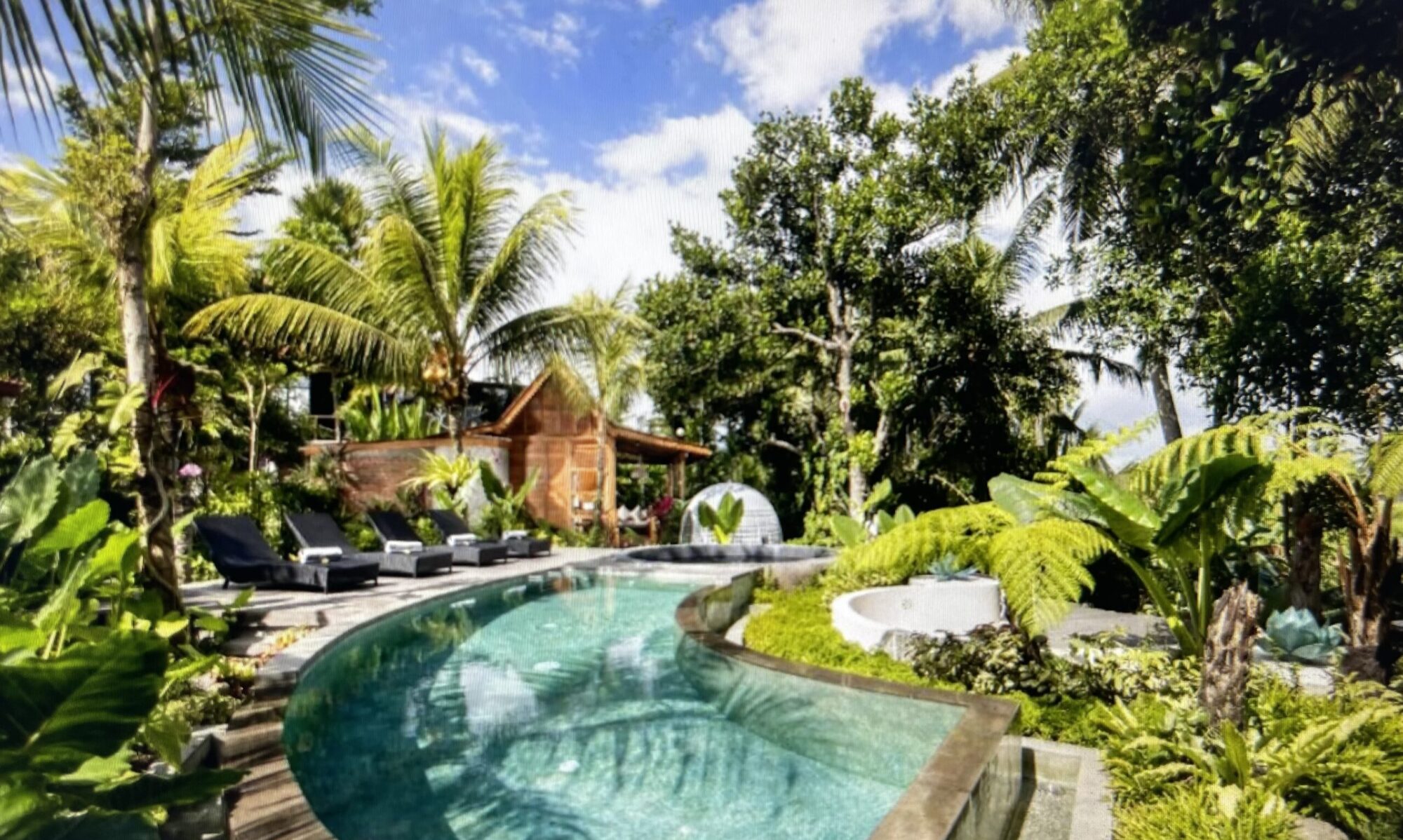


You must be logged in to post a comment.